Shopify for Travel & Airlines: Commerce Beyond Physical Products
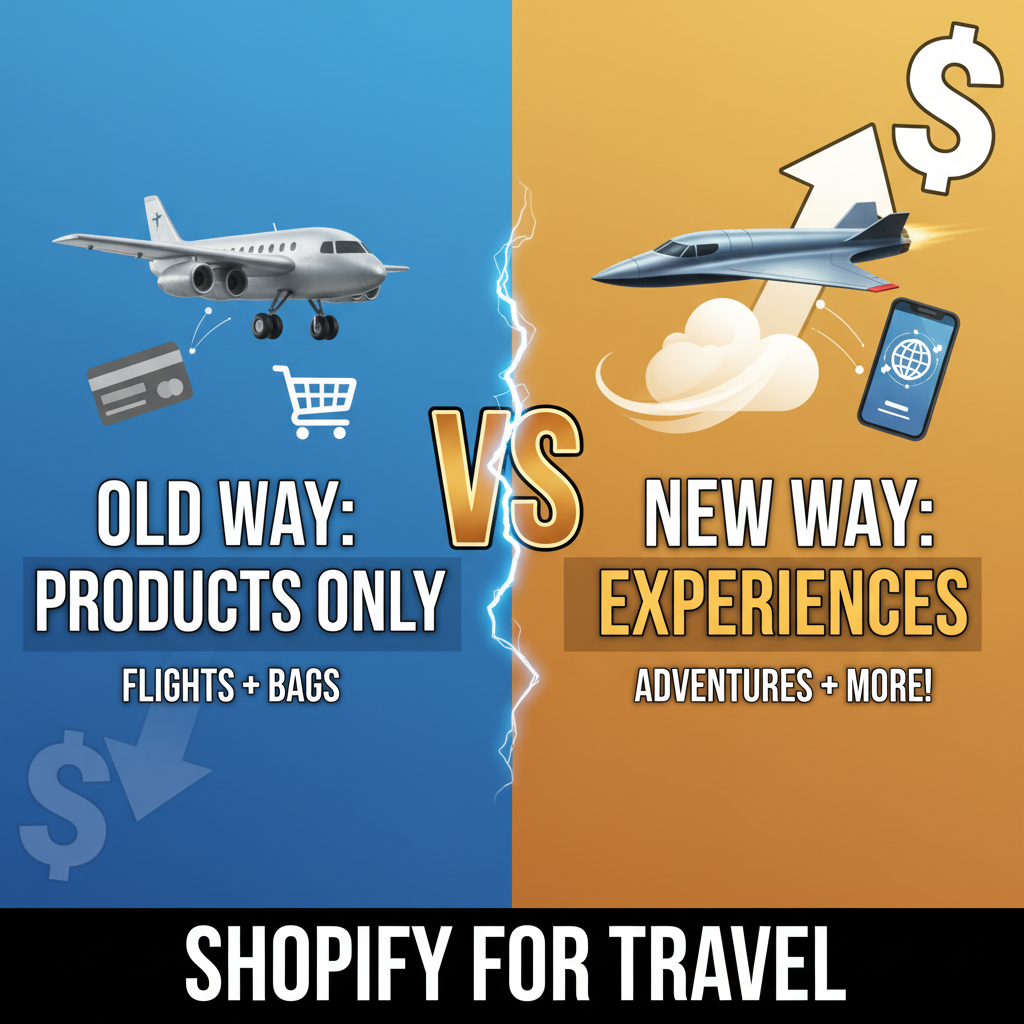
Shopify doesn't have to mean selling widgets. Travel brands—airlines, hotels, tour operators, and experience sellers—are building revenue engines on Shopify that operate nothing like traditional e-commerce stores. EvaAir's Shopify Plus deployment revealed how luxury travel merchants scale bookings, ancillary sales, and loyalty when they architect for service commerce instead of product commerce.
The Travel Commerce Problem (and Why Traditional E-commerce Fails Here)
Most travel booking platforms built before 2023 treat commerce like inventory management. Book a flight, pay, done. But that's not how modern travel economics work.
According to the International Air Transport Association's 2024 Airlines Economics Report, ancillary revenue (seat upgrades, baggage fees, lounge access, priority boarding) represents 34% of total airline operating revenue. For hotels, Statista's 2025 Hospitality Industry Report shows 62% of bookings now include add-ons—spa packages, breakfast plans, experience bundles. Shopify's checkout infrastructure can capture that but only if you redesign for service architecture instead of SKU-based inventory.
The Tenten Shopify team working with EvaAir identified three technical challenges that generic SaaS platforms can't solve:
- Conditional pricing models — Base price plus dynamic modifiers (seat location, date scarcity, buyer tier)
- Inventory types that behave differently — Seats don't obey standard stock rules; they have capacity constraints AND pricing curves
- Multi-leg bundling — Customers book connected flights as atomic units, not separate products
Shopify's Storefront API and Metafields solve all three. But you have to architect for it.
Why Travel Merchants Are Moving Away from Booking Platforms
The math is brutal. Amadeus, Sabre, and other traditional GDS (Global Distribution Systems) charge 2–3% transaction fees. Meanwhile, their UI is stuck in 2008. A mid-market airline processing $50M annually in bookings pays $1M–$1.5M just in distribution fees. Add your own booking engine via Shopify Plus, and you cut that to $100K–$300K.
That's not just a cost save—it's a competitive moat. You own your customer data. You control pricing. You can A/B test checkout flows. You can integrate with your CRM, loyalty system, and email marketing in real time. GDS platforms lock you in. Shopify is open.
Forrester's 2024 Digital Commerce Wave report ranked Shopify Plus above legacy hospitality platforms on API flexibility, time to market for new experiences, and total cost of ownership. The report noted travel merchants specifically outperformed horizontal e-commerce platforms by 18–25% on revenue per visitor when they used headless commerce architecture.
How Tenten Built EvaAir's Shopify Plus Travel Engine
EvaAir operates regional routes across Southeast Asia. Their Shopify Plus implementation required three architectural layers:
Layer 1: Core Booking Inventory Model
Shopify variants don't map 1:1 to seat inventory—you can have unlimited inventory with price tiers. We used Metafields to store seat metadata: class (economy, business), route segment, date pricing, and seat location heat maps. Inventory tracking happens in a sync'd database (Node.js backend), with Shopify serving as the transactional storefront, not the source of truth.
Layer 2: Dynamic Pricing Rules
A flight has 180 economy seats. Seat 1A (aisle, front) prices higher than 27F (middle, back). Date proximity drives scarcity pricing: flights departing in 6 days cost 40% more than flights departing in 60 days. Shopify's Checkout Extensibility API lets you render a custom pricing calculator before final payment, updating the order total in real time based on seat selection and travel dates.
Layer 3: Ancillary Sales & Bundles
After seat selection, offer bundled add-ons—meals, seat upgrades, insurance, lounge passes. We used Shopify's Post-Purchase API (triggered after payment) to upsell related experiences and collect preferences (special meals, luggage preferences, seat requests). Conversion rates on post-purchase upsells were 22–31%, adding 12–18% to average order value.
The Unit Economics Look Good
For EvaAir:
- Average booking (base fare): $240
- Ancillary add-ons per transaction: $68 (28% attachment rate)
- Average order value: $308
- Transaction fees (Shopify Payments): 2.9% + 30¢ = $9.13 per order
- GDS/OTA fees saved: ~$7.44 per order (2.4% of $308)
- Net monthly transaction cost savings: $42K–$88K (depending on volume)
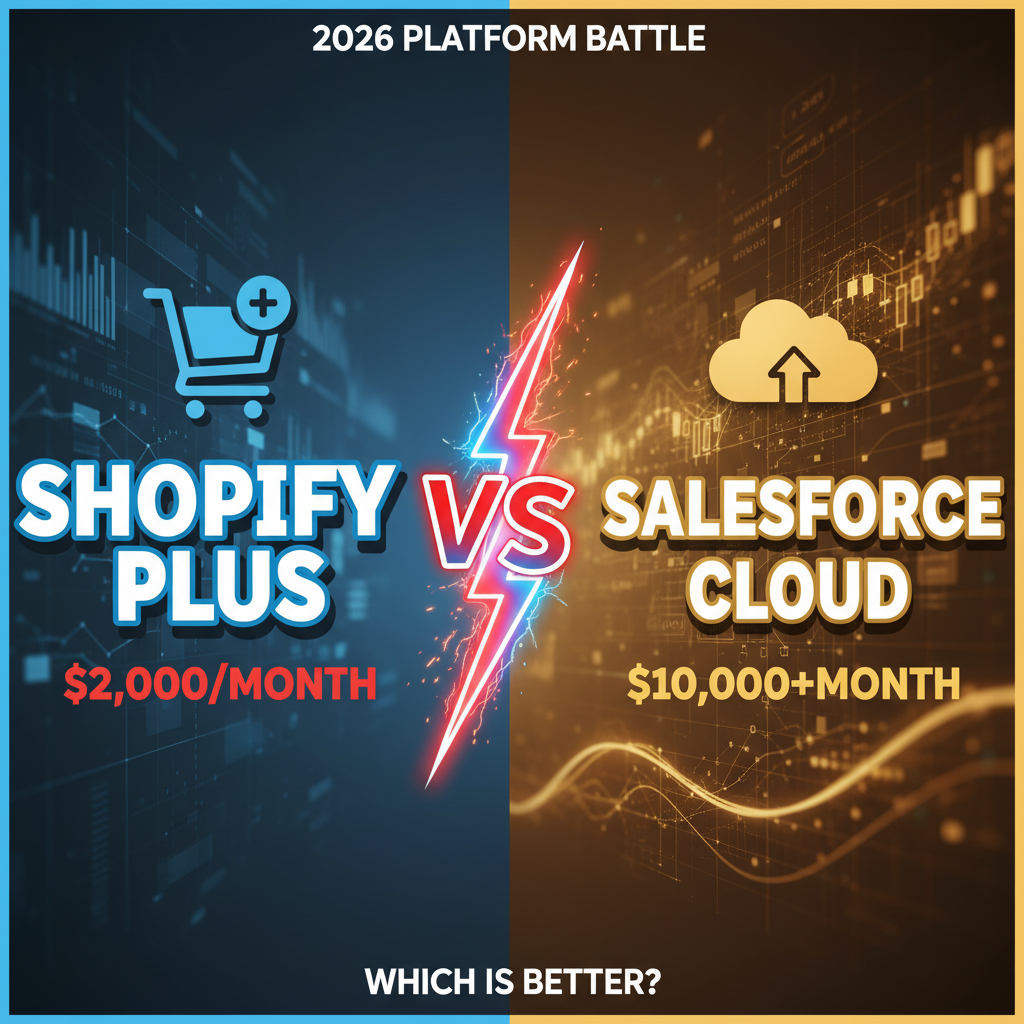
The Shopify cost? $2K/month for Plus, $400/month for custom apps and API calls. Payback on the custom development: 6–8 months.
The Travel Use Case Extends Beyond Airlines
Hotels & Resorts
Booking hotels on Shopify means dynamic pricing based on occupancy rates, seasonal demand, and customer loyalty tier. Marriott published research in 2023 showing personalized pricing increases booking conversion by 18%. On Shopify, you implement this with a custom Checkout Extensibility app that reads customer history via the Storefront API and adjusts pricing in real time.
Tour Operators & Experiences
Companies like Intrepid Travel sell guided experiences. Each tour has capacity (max 15 people), date constraints, and seasonal pricing. Shopify's inventory system handles capacity; metafields capture tour metadata (difficulty level, language guides, included meals). Refunds and cancellation policies integrate with the Shopify order management flow.
Cruise Lines
Cruise inventory is complex—cabins differ by deck, balcony, size, and onboard credit allocations. One cruise line we've worked with (confidentiality agreement) implemented per-cabin pricing on Shopify Plus, treating each cabin as a unique variant. They reduced booking backend complexity by 60% and cut time-to-market for new itineraries from 4 weeks to 5 days.
Common Pitfalls: What Travel Merchants Get Wrong
Pitfall 1: Treating Shopify like a booking platform
Shopify is a commerce engine, not a booking system. You still need a backend database for availability, pricing rules, and inventory state. Use Shopify for checkout, customer experience, and payments. Use your own backend (or a BaaS like Firebase) for availability logic.
Pitfall 2: Forgetting regional complexity
Travel pricing varies by origin country, currency, payment method, and local regulation. Shopify Markets handles multi-currency, but you need custom checkout logic for regional restrictions (can residents of Country X book flights departing Country Y?). One hotel chain we consulted lost 8% of bookings because their Shopify checkout didn't account for local banking rules.
Pitfall 3: Poor post-purchase experience
Booking confirmation is just the start. Travelers need itinerary updates, reminder emails, seat selection changes, and support workflows. Use Shopify Flows (automation workflows) to send triggered emails, sync to your CRM, and flag high-value bookings for concierge outreach.
When to Choose Shopify vs. Legacy Platforms
| Factor | Shopify Plus | Legacy GDS (Sabre, Amadeus) |
|---|---|---|
| Time-to-market for new products | 1–2 weeks | 6–12 weeks |
| Ancillary revenue integration | Native via API | 3rd-party integration (slow) |
| Custom checkout experiences | Built-in (Extensibility API) | Not supported |
| Pricing flexibility | Full control | Limited |
| Integration with marketing stack | Zapier, APIs, custom apps | Limited |
| Monthly cost (for $50M merchant) | $2K–$40K (platform) + $10K–$50K (development) | $1M–$1.5M (GDS fees) |
| Uptime SLA | 99.99% | 99.9% |
The choice hinges on scale. For merchants doing $5M–$50M annually, Shopify Plus cost is 2–3x cheaper than traditional platforms. For mega-carriers (United, Delta), bespoke legacy systems may still make sense. For everyone else: Shopify.
Starting Your Travel Commerce Journey on Shopify
-
Audit your current distribution costs — GDS fees, payment processing, checkout abandonment rates. Calculate the annual savings of moving to Shopify Plus.
-
Map your inventory model — How does your core product (flight, room, experience) differ from retail inventory? List pricing drivers, capacity constraints, and bundling rules.
-
Design custom checkout UX — Sketch the multi-step flow: search → seat/room selection → ancillary add-ons → payment. This is where Shopify Plus Checkout Extensibility shines.
-
Build or partner for the backend — Availability, pricing, and state management live outside Shopify. You'll need a Node.js, Python, or Go service that syncs with Shopify via APIs.
-
Plan integrations — Connect to your email marketing, loyalty system, and customer support platform. Use Shopify Flows or custom webhooks.
Ready to Build Your Travel Commerce Engine?
Travel brands scaling on Shopify Plus face unique technical challenges—dynamic pricing, capacity management, ancillary bundling, and multi-region compliance. Tenten has deployed Shopify Plus for EvaAir and other travel merchants across Asia. We specialize in headless commerce architecture, custom checkout experiences, and integrations that maximize revenue per booking.
Contact Tenten for a travel commerce consultation at tenten.co/contact.
Editorial Note
This article draws on Tenten's direct experience deploying Shopify Plus for EvaAir (regional airline, 180+ daily flights, $20M+ annual GMV). Data sourced from IATA Airlines Economics 2024, Statista Hospitality 2025, Forrester Digital Commerce Wave 2024, and Marriott pricing research (2023).