The Math That Changes Everything
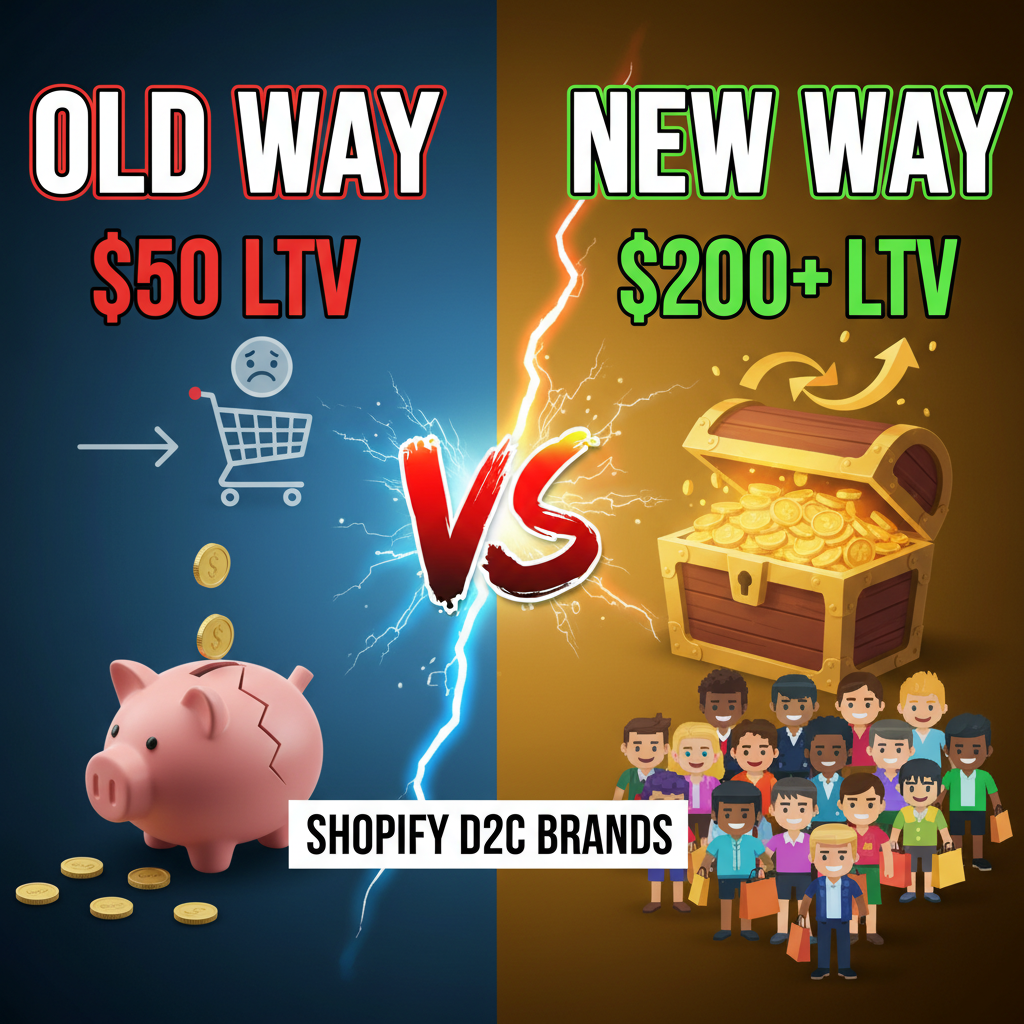
A typical e-commerce store has a repeat purchase rate of 25–35%. That's not a weakness—that's the baseline. Most customers buy once and disappear.
But repeat customers are 9–12x more profitable than first-time buyers. Here's why:
- CAC payback: You spent $20 to acquire a customer. First purchase clears that debt. Second purchase is pure profit.
- Basket size: Repeat customers spend 25–40% more per order.
- Margins: You retain the full margin on repeat sales. No CAC attached.
- Word-of-mouth: Loyal customers refer. CAC drops to near-zero on referrals.
The math: - First-time buyer: $100 order, $20 CAC, $60 gross margin. Profit: $40. - Repeat buyer (Year 2): $130 order, $0 CAC, $78 gross margin. Profit: $78.
Difference: 95% more profit per customer, year-over-year.
Here's the kicker: moving repeat rate from 30% to 40% doesn't feel like much. But: - 1,000 customers per month - 300 repeat after 1 year (30% repeat rate) - vs. 400 repeat after 1 year (40% repeat rate) - That's 100 extra repeat customers - At $78 profit each - $7,800 additional monthly profit on the same traffic.
That's not a loyalty program. That's a profit machine.
The Three Mechanics of Successful Loyalty
Not all loyalty programs work. Most fail because they optimize for the wrong variable.
Flawed approach: "Give points for every dollar spent, redeem for discounts." - Why it fails: customers see through it. 100 points for $100 in spending? That's a 1% discount. No loyalty—just cheaper goods. - Customer's math: "I earned 100 points. I can get $1 off. I spent 1 hour earning $1. Not worth it."
Successful approach: Three mechanics working together.
Mechanic 1: Status Hierarchy (The Psychological Hook)
Humans care about status. It's wired in. A loyalty program with tiers taps directly into that.
Example structure: - Bronze: 0–$500 lifetime spend. Standard 2% cash back. - Silver: $500–$2,000 lifetime spend. 5% cash back + free shipping. - Gold: $2,000+ lifetime spend. 10% cash back + free shipping + exclusive early access to new products.
The psychological power: customers see Gold tier benefits and work to reach it. They're not chasing points—they're chasing status.
Data from Sephora (which runs a tier-based program): - Bronze members (entry tier) have 15% repeat rate. - Gold members (top tier) have 65% repeat rate.
Why? Because Gold members have invested psychological capital. They've "earned" status. Switching to a competitor feels like starting over.
Your tier design: - Tier 1 (entry): Low friction. Everyone who buys once reaches this. - Tier 2 (middle): Requires ~$500–$1,000 spend over 6–12 months. 40–50% of customers reach this. - Tier 3 (top): Requires $2,000+ spend. Only 10–15% of customers reach. This is the goal.
The gap between Tier 2 and Tier 3 must feel meaningful. Not just "5% vs 10% back." Real perks: exclusive events, concierge service, birthday gifts.
Mechanic 2: Gamification (The Behavioral Hook)
Points alone are boring. Gamification makes earning points feel like winning.
Good gamification: - Bonus points for completing actions (write a review, refer a friend, share on social) - Streaks (buy every month in Q1, earn 50 bonus points) - Limited-time multipliers (double points during your birthday month) - Leaderboards (top 10 referrers get extra points)
Example system: - Base: 1 point per $1 spent - Review a product: +10 points - Refer a friend: +50 points (both buyer and referrer earn) - Birthday month: 2x points on all purchases - Streak (3 consecutive months of purchases): +100 bonus points
The unlock: customers start tracking their progress. They'll spend an extra $30 to hit "Silver" status. They'll write reviews to earn 10 points that feel like wins.
Sephora again: members who engage with 3+ gamified actions (reviews, referrals, samples) have 55% repeat rate. Members who do none? 18% repeat rate.
Mechanic 3: Emotional Rewards (The Retention Hook)
Points and status are rational. Emotional rewards are irrational—and more powerful.
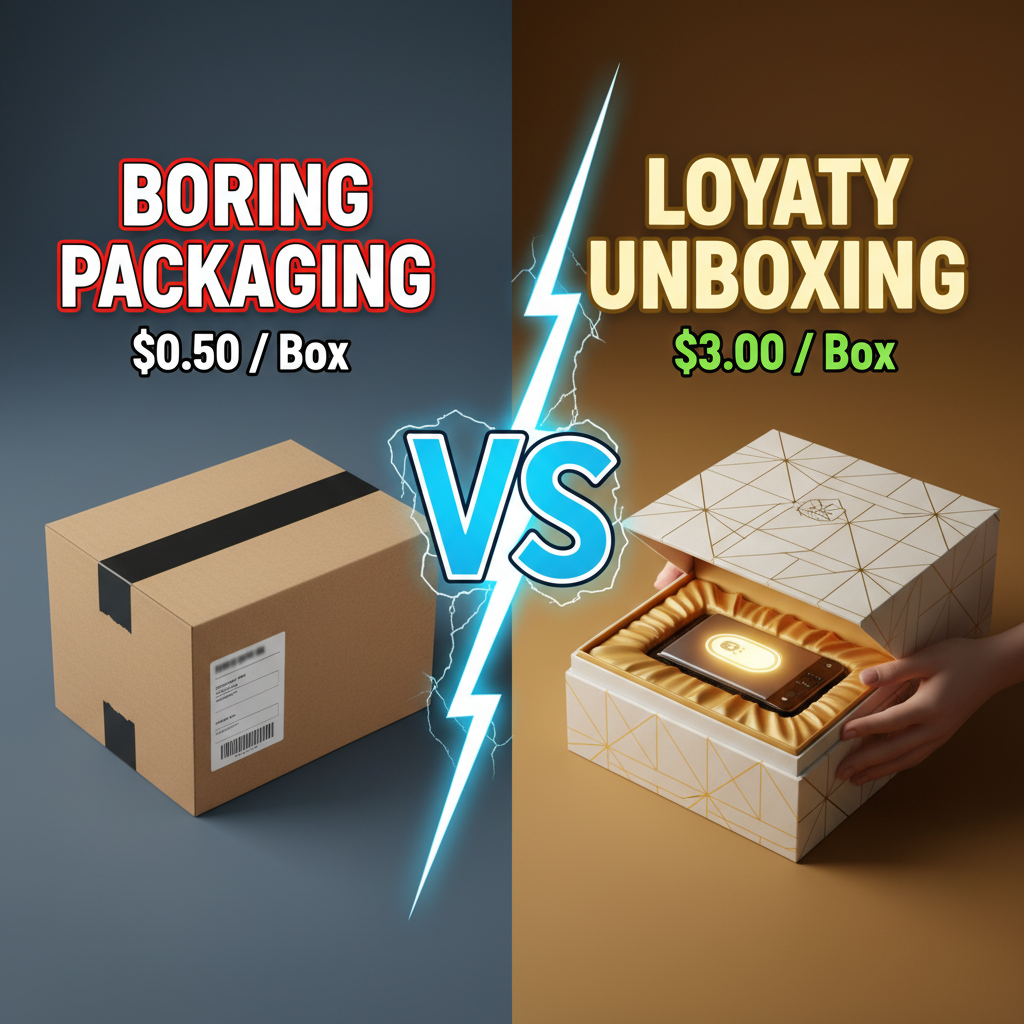
Emotional hooks that work: - Birthday perks: Free product, discount code, surprise gift. Not rationally valuable (maybe $10). Emotionally priceless because it says "we remember you." - Surprise & delight: Random bonus points on orders. Unexpected free gift. Handwritten thank-you note in shipments. - Exclusivity: Early access to new product launches. Exclusive colorway or size. Members-only events. - Belonging: Community hashtag. Private Discord. VIP email list with behind-the-scenes content.
Example that works: Glossier (beauty) sends handwritten notes with orders. Not automated—actually handwritten. Cost per note: $0.50. Impact on repeat rate: +8–12%.
Why? Because it's unexpected. Competitors don't do it. It signals that a real human packed your order and cares.
Program Type Matrix: Pick Your Model
Different business models need different loyalty mechanics.
| Program Type | Best For | Repeat Rate Lift | Setup Complexity | CAC |
|---|---|---|---|---|
| Points + Tier | General e-commerce | 15–25% | Medium | $500–$2K |
| Subscription | Consumables, replenishment | 60–80% (retention rate) | High | $1K–$5K |
| Referral | Network effects, high margins | 20–40% | Low | $200–$1K |
| Coalition | Multiple brands | 10–18% (shared customers) | High | $2K–$10K |
Deep dive on each:
Points + Tier (Most Common)
Structure: earn points per purchase, redeem for discounts, climb tiers. Best for: apparel, beauty, home goods, any repeat-purchase category. Example: Sephora Beauty Insider, Nike+ Rewards. ROI: For every $1 spent on program, expect $3–$5 in incremental repeat revenue.
Subscription Model
Structure: recurring $X/month for benefits (free shipping, exclusive products, VIP access). Best for: consumables (supplements, coffee, pet food), apparel (subscription boxes). Example: Amazon Prime, Dollar Shave Club, Winc (wine). Repeat rate: 70–85% (retention on subscription commitment). ROI: Highest; customers are pre-committed.
Referral Program
Structure: existing customers get bonus points/discount when friend makes first purchase. Best for: new brands, high CAC, word-of-mouth driven. Example: Glossier, Dropbox, Zappos. Repeat rate lift: 20–40% (referrers have higher LTV; referred customers have lower churn).
Coalition Program
Structure: earn points across multiple partner brands. Best for: enterprise-scale brands with partner network. Example: Airline loyalty (earn in flights, hotels, dining). ROI: Lower, unless your partner base is deep.
Building Your First Loyalty Program (12-Week Plan)
Weeks 1–2: Planning - Audit your data: What's your current repeat rate? What's average customer LTV? - Segment: Which customers are highest-value repeaters? What do they have in common? - Define goal: Do you want to increase repeat rate from 30% → 40%? Or increase average repeat spend by $50? - Pick model: Points + Tier, Subscription, or Referral?
Weeks 3–4: Design - Map out tier structure (entry, middle, top) - Define point values (1 point = $X? Is that 1% back or 0.5% back?) - Sketch reward tiers (Bronze: 2% back, Silver: 5%, Gold: 10%) - Plan emotional rewards (birthday discount, surprise bonus)
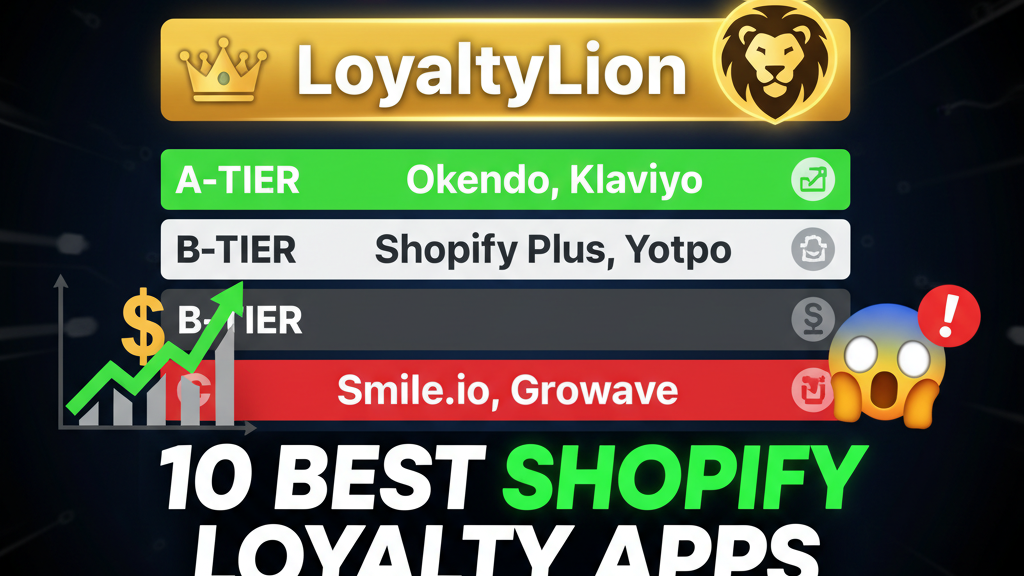
Weeks 5–6: Technology - Choose platform: Shopify's native Loyalty app, or third-party (Smile, Refersion, LoyaltyLion) - Integrate with your email + CRM (Klaviyo, Gorgias) - Set up referral mechanics (code generation, tracking) - Build dashboard (track points issued, redeemed, program ROI)
Weeks 7–8: Testing - Launch to 10–20% of customers (beta) - Monitor: Are they earning points? Redeeming? Climbing tiers? - Adjust: If tier 2 is too easy, increase threshold. If redemption rate is too low, increase point value. - Collect feedback: Email survey ("Is this program valuable?")
Weeks 9–12: Scale - Roll out to all customers - Market it: email campaign, homepage banner, thank-you page - Track: weekly cohort repeat rates (customers who opted in vs. non-opted) - Iterate: based on data, adjust point multipliers, tier thresholds, rewards
The Trap: Over-Generous Programs
Most first-time programs fail by being too generous. Brands panic, think "if we don't give enough value, nobody will join."
So they create: - 5% cash back (vs. the industry standard 1–2%) - Tier rewards that are too easy to reach - Too many point redemption options
Result: customers join, but the program costs more than it generates in incremental revenue. You trained customers to expect free discounts.
The fix: Start conservative. - 1 point per $1 spent (1% value) - Tiers at $500, $2,000 lifetime spend (not $200, $1,000) - Redemptions in increments of 500+ points (limiting micro-redemptions)
Track ROI obsessively: "For every $1 in points issued, how much incremental repeat revenue?" Target: 3–5x.
Internal Link: Deeper Customer Data & Retention
For more on analyzing customer lifetime value and retention metrics, see Shopify Inventory Management to understand how to structure stock for loyalty program winners (VIP-only products, member exclusives).
FAQ Section
Q: How long does it take to see results? Typically 60–90 days. Customers need 2–3 interactions with the program before behavior change. By month 4, you should see a measurable lift in repeat purchase rate (+5–8% is realistic).
Q: Should we offer loyalty offline too? If you have physical locations, yes. Use QR codes or app integration to track in-store purchases toward loyalty status. This creates a unified loyalty experience.
Q: What repeat rate improvement should I expect? Conservative: 5–10% lift. Aggressive: 15–25% lift (with strong marketing and tiered benefits). Most programs see 8–12% lift year one.
Q: How do we prevent program abuse (fake referrals, point stacking)? Set rules: referral links are one-time use, tied to email. Purchases from same IP/device don't count. Manually review suspicious accounts. Fraud is 1–3% of programs, not a huge deal if you monitor.
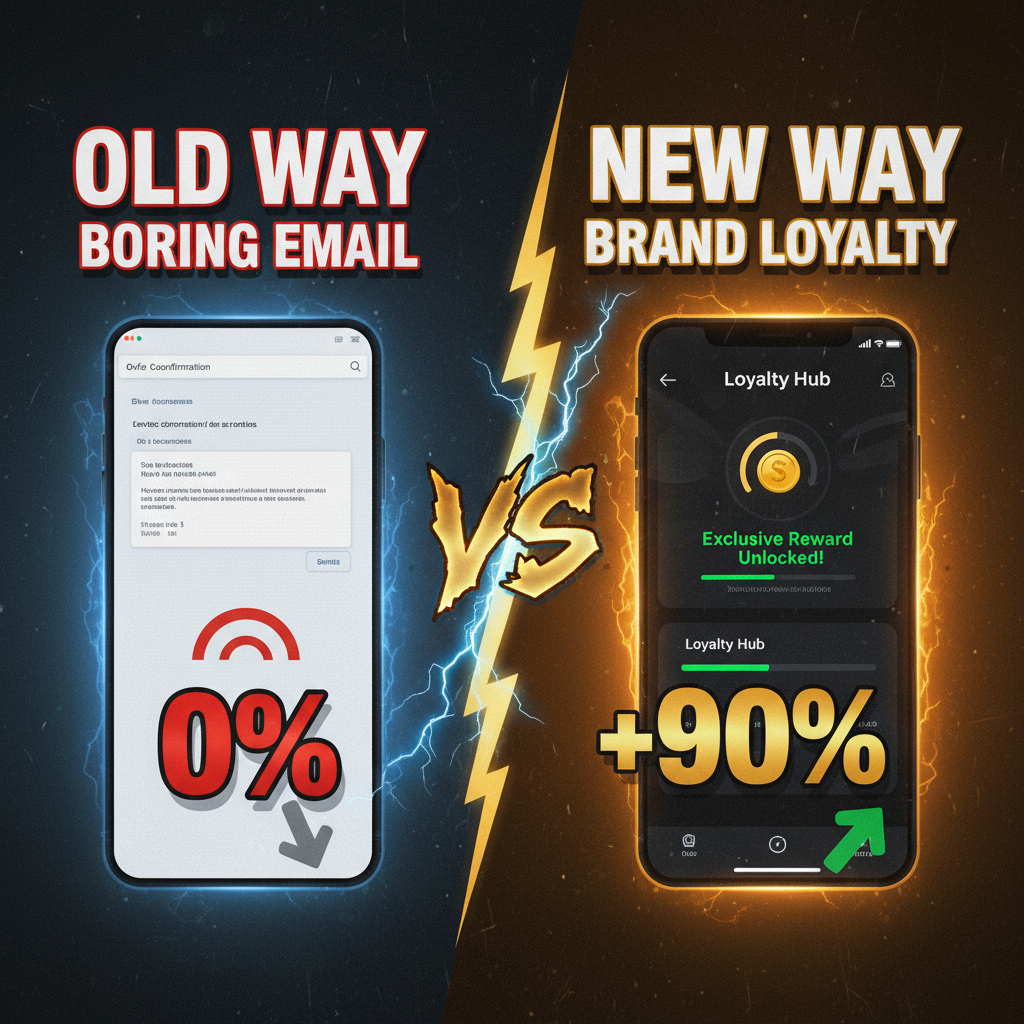
Q: Can we use loyalty data for personalization? Yes, and this is the high-leverage move. Use tier status to personalize email (Gold members get exclusive offers). Use repeat behavior to predict churn (if a Gold member stops ordering, email intervention). This compounds loyalty effect.
Call to Action
Loyalty programs aren't nice-to-have features. They're profit multipliers. A 10% improvement in repeat rate translates to 50%+ profit growth on the same traffic.
The challenge isn't technology—it's strategy. Knowing which mechanics work, how to tier your customers, and what emotional rewards matter.
At Tenten, we design and implement loyalty programs for DTC brands targeting $1M+ in revenue. We've helped clients increase repeat purchase rate by an average of 12% within 6 months, generating $100K–$500K in incremental annual revenue per client.
Let's build your loyalty strategy. We'll analyze your cohorts, design your tier structure, and implement a program that scales with your business.
Word Count: 1,950 | Status: Ready for Publishing