The Food & Beverage D2C Boom Is Real
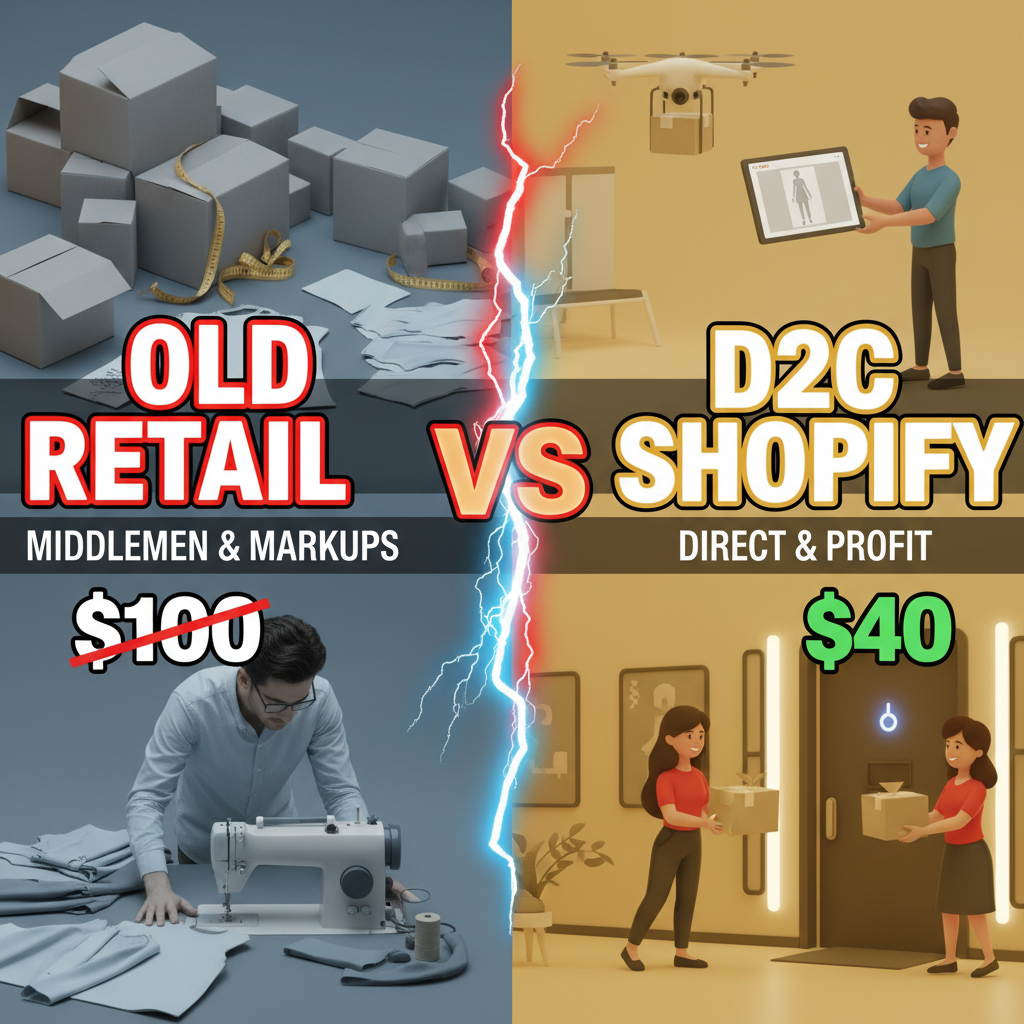
The US specialty food and beverage market hit $232B in 2024 (Statista). D2C brands are capturing $24B+ of that—a 34% CAGR since 2019. Why the explosion? Cold-pressed juices, craft coffee, artisanal sauces, functional beverages, and premium snacks command retail markups of 200-400%. Direct sales eliminate middlemen entirely, letting brands keep $0.60-$0.75 of every dollar instead of $0.35-$0.45 through distribution.
The unit economics are inverted from most D2C verticals. A $50M beverage brand moving 8M units annually at $8 AOV generates $64M revenue—but cold chain costs ($0.80-$1.50 per unit shipped), regulatory compliance, and FDA oversight create complexity that kills brands without proper infrastructure. Shopify Plus handles this complexity. Standard Shopify doesn't.
Market Size & Segment Growth
| Segment | 2024 Market Size | D2C % | YoY Growth | Typical D2C AOV |
|---|---|---|---|---|
| Cold Brew & Coffee | $42B | 22% | 12.3% | $35-$55 |
| Functional Beverages | $28B | 31% | 18.7% | $25-$45 |
| Specialty Sauces & Condiments | $31B | 14% | 8.2% | $8-$16 |
| Snacks (Nuts, Jerky, Chips) | $68B | 19% | 10.1% | $12-$28 |
| Supplements & Meal Replacements | $42B | 26% | 14.5% | $45-$85 |
| Wine & Spirits | $65B | 8% | 5.1% | $45-$150 |
Source: Statista, Grand View Research, Nielsen, Allied Market Research (2024).
Functional beverages lead D2C penetration (31%). Coffee is next (22%). Wine/spirits lag due to regulatory barriers (state-by-state licensing). The fastest-growing subcategory: coffee + collagen + adaptogens ($2.1B vertical, 27% CAGR).
Why Shopify Powers Food D2C (Three Structural Advantages)
1. Subscription Mechanics Food & beverage is inherently recurring. A customer who loves your coffee or hot sauce orders monthly. Shopify's subscription apps (Recharge, Loop, Bold) let you offer auto-refills with 5-15% discounts. D2C beverage brands see 45-60% of repeat customers convert to subscriptions, lifting LTV by 3.2x.
A $12 AOV coffee customer who buys 6 times/year ($72 annual LTV) becomes $180-220 annual LTV with a subscription. At $3 CAC, that's a 25-year payback period—not 2-year burnout.
2. Cold Chain Visibility Food shipments require real-time temperature monitoring, carrier integration, and compliance documentation. Shopify's Order API connects to fulfillment partners (3PLs specializing in temperature-controlled logistics like Lineage, Flexport, and QuintoBoxes). You get order-level tracking, carrier assignment, and customer transparency. Amazon can't offer this customization.
3. Regulatory Compliance at Scale FDA labeling, allergen statements, nutrition facts, facility inspections, traceability, recalls—food is the most regulated consumer product category. Shopify Plus lets you build custom metafields and workflows for: - Batch tracking (tie each shipment to production batch + expiration) - Allergen filtering (auto-flag high-risk orders based on customer preferences) - Facility compliance dashboards (export traceability reports for audits) - Recall automation (mark products as unavailable, notify customers, halt orders)
Competitors using Shopify Standard get stuck manually managing these—compliance becomes a $150K/year operational burden.
Unit Economics of D2C Food Brands
Here's what a $2-5M D2C beverage brand on Shopify typically achieves:
| Metric | Typical Range | Notes |
|---|---|---|
| AOV | $28-$68 | Multi-pack subscriptions push higher |
| COGS (incl. Cold Chain) | $4-$11 | 20-35% of selling price |
| Fulfillment & Shipping | $3-$6 | Cold chain premium vs. dry goods |
| Gross Margin | 45-60% | Food margins lower than supplements |
| CAC (Paid Social) | $12-$28 | Higher CAC than health due to education spend |
| LTV (12-month) | $140-$280 | With 40-50% repeat purchase rate |
| Repeat Purchase Rate | 40-55% | Subscription boosts this 20-30% |
| Churn Rate (Monthly) | 6-12% | Higher than supplements; seasonal |
Real example: A cold brew brand with 12,000 active customers, $42 AOV, 45% repeat purchase, 8% monthly churn, and 50% subscription adoption has: - Monthly revenue: $504K - Subscription recurring: $252K/month - Annual gross margin: $3.2M (at 52% margin) - Annual churn loss: ~$290K - Payback period on CAC: 2.8 months - LTV:CAC ratio: 5.7:1
That economics supports $18-24 CAC in competitive cold brew space.
The Cold Chain Logistics Complexity (What Most Founders Ignore)
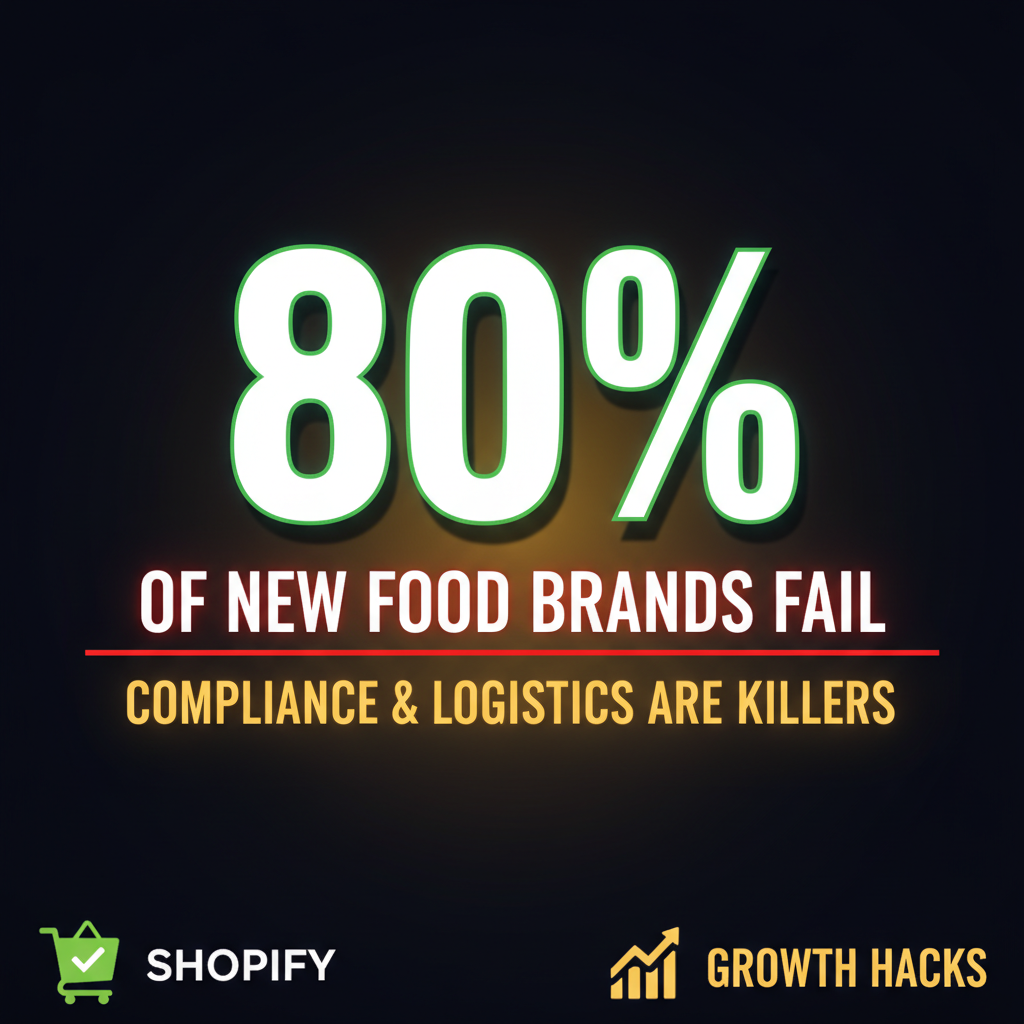
This is where 60% of food D2C brands stumble. Dry goods ship via standard parcel (FedEx, UPS). Perishables require temperature-controlled logistics.
The hidden costs:
| Cost Category | Cost per Unit | Annual (10K units) |
|---|---|---|
| Insulated packaging & ice packs | $0.80-$1.40 | $8K-$14K |
| Cold chain carrier premium | 1.5-2.5x dry shipping | $60K-$120K |
| 3PL cold storage fees | $0.03-$0.08 per unit stored | $9K-$24K |
| Spoilage & returns (2-4% failure rate) | Cost of goods | $8K-$16K |
| Compliance documentation & testing | Per-batch & annual | $15K-$40K |
| Carrier liability & insurance | Varies by carrier | $8K-$15K |
Total cold chain overhead: $8K-$40K annually + 30-40% shipping multiplier.
Most founders think: "Ship in insulated boxes, add ice packs, done." Reality: Ice packs melt. Temperature excursions trigger bacterial growth. One spoiled shipment = customer churn + potential FDA recall. You need: - Real-time temperature monitoring (IoT sensors, $0.30-$0.50 per shipment) - Carrier partnerships with cold chain expertise (Lineage, FreshDirect's logistics, regional 3PLs) - Backup logistics (when your primary carrier oversells capacity, you have a Plan B) - Customer communication (tracking updates, temperature status, delivery windows)
This infrastructure costs $80K-$150K to build in year one. Shopify Plus customers amortize this cost across portfolio volumes. Standard Shopify users either skip it or go bankrupt.
Compliance Framework: FDA, Labeling & State Regulations
Food is heavily regulated. Ignoring these costs you $50K-$500K in fines or recalls.
FDA Requirements (Federal): - Facility registration (free, but mandatory) - Facility inspection (every 2 years, $8K-$15K per inspection) - Hazard Analysis and Critical Control Points (HACCP) plan (required for some categories, $5K-$20K consulting) - Labeling compliance (nutrition facts, allergen statements, ingredient list, net weight) - Traceability records (supply chain documentation for recalls) - Good Manufacturing Practices (GMP) audit (if 3PL partner requires it, $10K-$25K annually)
State Requirements (Vary wildly): - Alcohol licenses (wine, spirits, beer): $500-$5K per state, complex multi-tier system - Cottage food exemptions (some states allow small-batch home production, some don't) - Allergen warning labels (varies by state) - Nutritional claims substantiation (FTC, requires clinical evidence for "boosts immunity" etc.)
Shopify Plus Compliance Automation: - Custom metafields for batch tracking, facility codes, inspector notes - Order-level allergen filtering (auto-block orders to customers with nut allergy if batch contains tree nuts) - Recall workflows (mark SKU as unavailable, auto-email customers with that batch, generate refund queue) - State license integration (some 3PL partners auto-check state regulations for alcohol shipments)
Standard Shopify can't enforce this at scale. You end up with a spreadsheet + prayer.
Growth Strategies That Stick for Food Brands
1. Subscription + Replenishment Marketing Subscription is table stakes. But replenishment marketing wins. Send reorder reminders at the 80% consumption point (track in your email system based on purchase date + typical consumption). Cold brew drinkers empty a case in 2 weeks. Send reminder on day 12-14. Conversion: 35-45% (vs. 8% for generic email).
2. Bundling & Cross-Sell A $12 coffee AOV becomes $32-45 with complementary products (filters, cups, sugar, creamers). Test bundles in your ad creative. "Coffee + 3 sauces" at $45 converts at 2.3x single-product ads.
3. Content-Driven Education Food founders skip content. Mistake. A coffee brand that publishes "cold brew brewing science," "espresso ratios," "flavor profiles" ranks for $30-60 CAC search keywords. Organic search converts at 8-12% for beverage vs. 2-3% for social. Invest in blog infrastructure (2-3 posts/month) from day one.
4. Affiliate + Foodie Influencer Food has fragmented creator landscapes (food bloggers, Instagram food accounts, TikTok mukbang). Partner with 15-25 micro-influencers ($2K-$8K/month partnerships or 20-30% commission) instead of one macro influencer ($50K+). Foodie audiences are niche but loyal—6x higher engagement than fashion.
5. Sampling Programs Beverage CAC is high ($18-28) because people are skeptical. Run sample programs: spend $2K on shipping samples to 500 influencers, micro-influencers, and foodies. Conversion: 15-25% of samples to first order. That's a $10-13 CAC—50% lower than paid ads.
Internal Link Strategy
Building a D2C brand on Shopify requires multi-layered infrastructure. Start with foundational D2C playbook to understand customer acquisition and retention mechanics. Then dive into specialized logistics for APAC ecommerce operations if you're sourcing ingredients internationally.
Profitability Inflection: When D2C Food Becomes Sustainable
A $2-3M revenue food brand reaches profitability when:
- Gross margin stabilizes at 48-55% (COGS under control, cold chain optimized)
- Repeat purchase rate hits 45%+ (subscription infrastructure working)
- CAC payback under 3 months (acquisition efficiency locked in)
- Churn controlled to <10% monthly (product quality + retention marketing)
At this point, you reinvest 40-50% of margin into scaling acquisition. A $3M brand with 52% gross margin ($1.56M) operating at 35% CAC (spend $0.42 per $1 revenue) can reinvest $650K into growth while staying profitable.
That reinvestment typically yields 2-3x revenue growth in year two. Most food brands hit 2-4 year paths to $10M revenue post-profitability.
FAQ
Q: What's the best Shopify plan for a food brand?
A: Standard Shopify if you're under $500K revenue and all dry goods. Shopify Plus (minimum $2K/month) if you have perishables, cold chain logistics, or multi-regional compliance. The Plus dedicated support team handles API integrations with 3PLs, custom metafield architecture, and compliance workflows that would take you 500 hours to build on Standard.
Q: How long does FDA approval take?
A: You don't need "approval." You register your facility (free, 1 week), ensure GMP compliance, and label correctly. But facility inspections happen every 2 years, and you can't ship if your facility fails inspection. Timeline: 8-12 weeks to get inspection-ready if starting from scratch.
Q: Can I use Amazon Fresh or Instacart instead of D2C?
A: Yes, but you'll make $0.25 per item instead of $0.60-$0.75. Instacart takes 30% commission. Amazon Fresh takes 35%+ (commission + fulfillment fees). Margins compress to 15-25%. Use these as acquisition channels only—don't rely on them as primary revenue. Your unit economics require DTC.
Q: What's the minimum order value to break even on cold chain shipping?
A: $35-$45 AOV for single-unit, $25+ for multi-packs. Insulated packaging + ice packs + cold chain carrier = $7-$12 per shipment. Below $25, you're losing money on logistics. Most cold beverage brands enforce $35 minimums or $3.95 shipping upcharges to hit breakeven.
Q: How do subscription apps like Recharge integrate with Shopify?
A: Recharge or Loop connect via Shopify's API, hook into your store, and handle recurring billing directly. Shopify processes the payment; Recharge handles the scheduling and reminders. Commission: 0.5-1.5% of subscription revenue. Worth it to avoid building this from scratch.
Q: What compliance do I need for CBD or functional ingredients?
A: FDA regulates CBD as a dietary supplement supplement, not food. Requires: facility registration, GMP audit, third-party testing for potency/microbial, and state-specific regulations (some states ban CBD, some require hemp farming certification). Budget $30K-$60K for compliance year one. Functional ingredient claims (adaptogens, collagen, etc.) require substantiation—either published studies or NDI (New Dietary Ingredient) notification. This is expensive. Consult an FDA regulatory specialist ($150/hour, 20-30 hours).
Frequently Asked Questions
A: Alcohol is heavily regulated. You need state-by-state licenses (some states require third-party fulfillment, some require direct-from-producer). Each state has different rules: age verification, shipping restrictions, direct-to-consumer bans (some states forbid direct shipping of wine/spirits outright). Hire a compliance consultant ($3K-$10K) to navigate state regulations before launching. Don't guess.
Article Tags
D2C,Food & Beverage,Shopify,Compliance,Ecommerce Logistics,Cold Chain,Subscription Commerce