Why UGC Outperforms Branded Creative
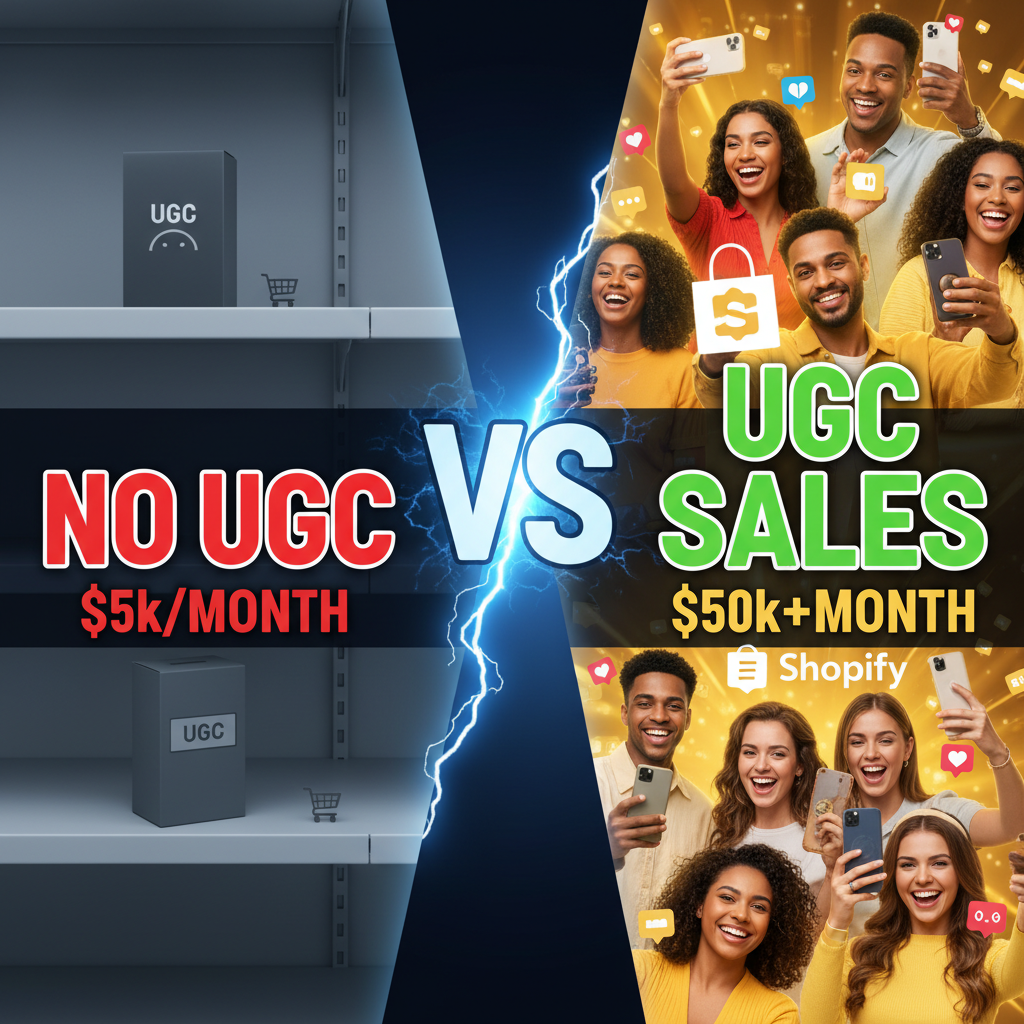
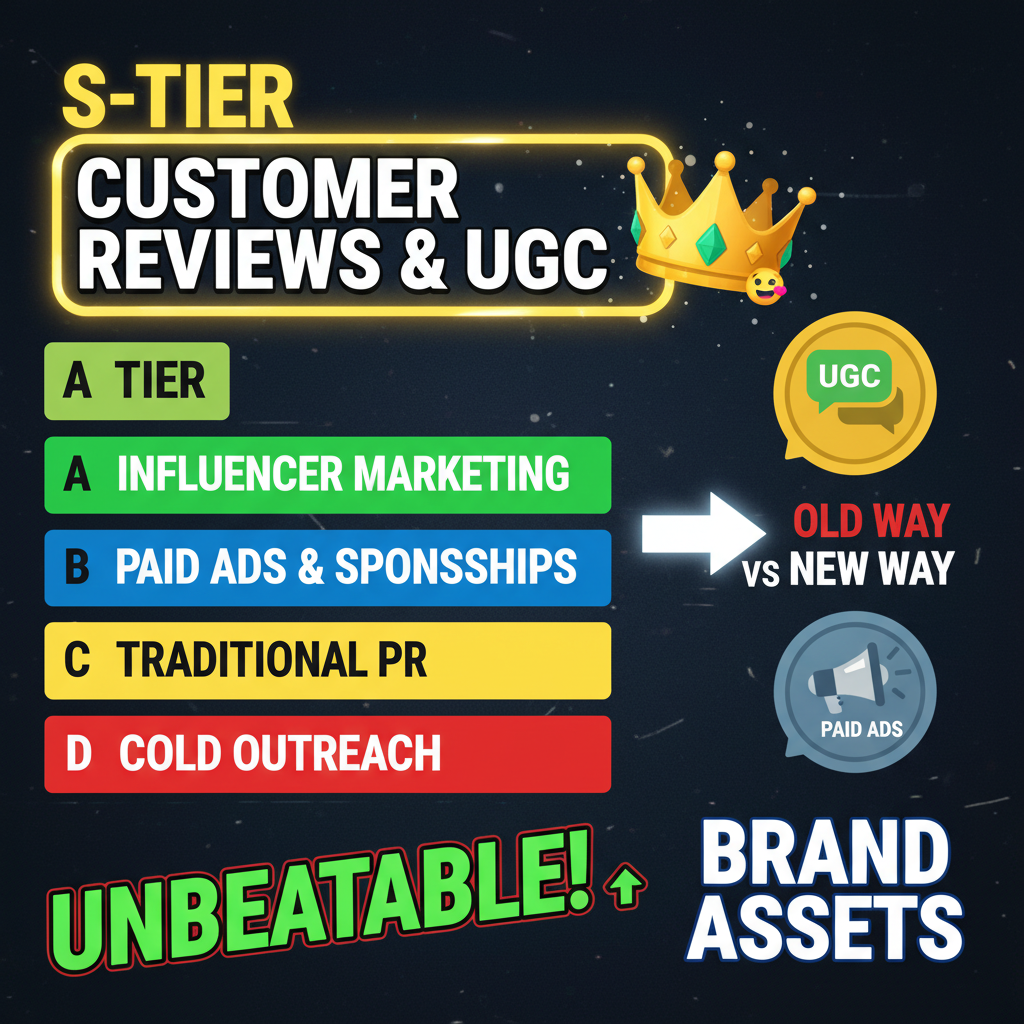
Your polished brand video performs worse than a stranger filming a product demo on their phone. That's not a bug—it's consumer psychology.
Users trust peers more than brands. A McKinsey study found that 72% of consumers trust peer recommendations over brand messaging. When scrolling TikTok or Instagram, people see through production value. They respond to authenticity, imperfection, and relatability.
UGC ads—videos and images created by real people, not your agency—convert 3-5x better than branded creative. The difference shows up in your ROAS first. A beauty brand we worked with shifted 60% of their TikTok budget from branded video to UGC and watched CAC drop 45% while maintaining volume.
Here's the operator-level insight nobody mentions: it's not just the creative itself. It's the volume game. Platforms optimize for engagement and time-on-screen. UGC signals "real person, worth listening to." Your ad algorithm prioritizes it.
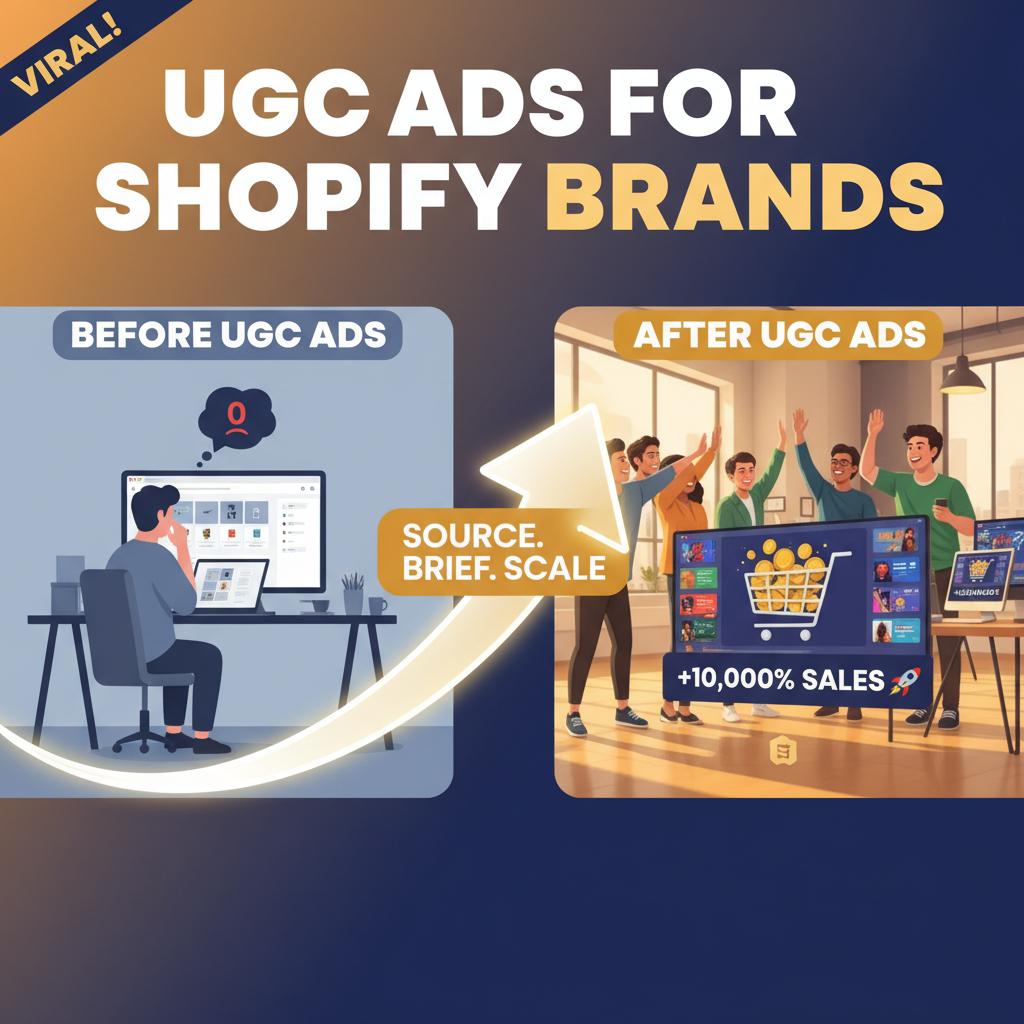
The hard part isn't understanding why UGC works. It's sourcing, briefing, and scaling creators without losing quality or drowning in coordination chaos.
The UGC Flywheel
Your conversion math changes when UGC is in the mix:
- Branded creative ROAS: 1.5-2.0x
- UGC creative ROAS: 4.0-6.0x
- Cost per UGC video: $100-$300 (vs $2K-$5K agency video)
- Time to publish: 3-5 days (vs 2-3 weeks agency)
That's 20-40 videos per month at $200 each ($4K budget) outperforming your $40K monthly agency retainer.
Finding and Vetting UGC Creators
The bottleneck isn't money. It's finding creators who understand your product and can deliver quality consistently.
Where to Source Creators
Approach 1: Niche Creator Platforms
- Billo — Pre-vetted UGC creators, templated briefs, hands-off model. Cost: $300-$500 per video. Good for scaling but less creative control.
- Trend — Marketplace of micro-influencers and UGC creators. Filter by niche, engagement rate, and follower count. You can vet portfolios directly.
- Influee — Asia-Pacific creator network, useful if you're targeting APAC audiences or shipping to that region.
- TikTok Creator Marketplace — Directly source TikTok creators. Cost varies wildly, but you get direct access to audience insights.
Approach 2: Direct Outreach
Search for creators in your niche directly:
- Query on TikTok: "product review [your category]" or "[competitor brand] honest review"
- Look at creator accounts with 10K-500K followers (sweet spot: 50K-200K)
- Check their engagement rate (likes + comments / follower count). Target 4-8%.
- Slide into DMs. Offer a flat rate ($150-$300) plus product sample.
- Pay half upfront, half on completion.
Approach 3: Leverage Your Customer Base
Ask existing customers to create content. Offer $100-$200 plus free product. You skip the vetting—your buyers already like you. This is your highest-converting pool.
Vetting Criteria
Before hiring a creator, audit:
- Audience alignment: Do their followers match your target customer (age, geography, interests)?
- Engagement rate: Min 3-5%. Anything below 2% means dead followers.
- Content quality: Is their production consistent and professional (not polished—just competent)?
- Authenticity: Do they have actual followers, or is it bot-heavy? Check if comments look real.
- Portfolio match: Have they created UGC for similar products? (Ideal but not required.)
- Speed and responsiveness: How fast do they reply? Can they deliver in 5-7 days?
Red flags:
- Engagement rate under 2%
- Comments that look auto-generated or spammy
- Creator asking for massive upfront payment
- No portfolio or recent content
Writing a UGC Brief That Gets Results
Your brief is the difference between a $150 video that converts at 6% and one that converts at 1%.
The Anatomy of a Winning Brief
1. Opener (1-2 sentences)
Be direct. Example: "We sell luxury pet carriers for frequent flyers. Your audience loves travel content. We think you're perfect for this."
2. Product Overview (1 paragraph)
- What is it?
- Who uses it?
- What problem does it solve?
- Ship the product to the creator with a sample.
3. Key Messaging (3-5 bullets)
What do we want viewers to feel/understand?
- "This carrier keeps my dog safe during flights"
- "It's stylish enough for Instagram"
- "Fits in overhead bins on most airlines"
- "Less stressful than a regular crate"
- "Worth it for frequent travelers"
Never say: "Go hard." Creators hate vague direction.
4. Audience Cue
Who's watching? Example: "Your followers are mostly 25-40, travel-focused pet owners. Show how you'd actually use this."
5. Length & Platform
- TikTok: 15-30 seconds, vertical
- Instagram Reels: 15-30 seconds, vertical
- YouTube Shorts: 15-60 seconds, vertical
6. Specific Requests (Optional)
- "Open with you unboxing it"
- "Show the product in your car/home"
- "Mention the price and link in your bio" (if comfortable)
- "No green screen—real footage only"
7. What NOT to Do
- "Don't sound scripted"
- "Don't overuse hashtags"
- "Don't make it look like an ad"
The UGC Brief Template
Subject: UGC Video Brief – [Product Name] + [Creator Name]

Hi [Creator],

We're [Brand Name], and we make [product]. We'd love you to create an authentic review/unboxing/demo video.

**Product:** [1-2 sentence description + link]

**What Makes This Special:** [3-5 key messaging points]

**Your Angle:** You're a [customer type] who [benefit]. Show your followers how [product] fits your life.

**Deliverables:**
- 1x 15-30 second TikTok-style video (vertical)
- Raw footage (no filters/heavy effects)
- Deliver by [date]

**Payment:** $[amount] upon completion (sample product included).

**Questions?** Reply here.

Thanks,
[Your Name]
Send this via email or Slack. Creators appreciate clarity.
A/B Testing Different Angles
Don't brief 10 creators identically. Test angles:
- Angle A: Product demo / how-to
- Angle B: Unboxing + first impression
- Angle C: Before/after lifestyle comparison
- Angle D: Quick product flip / "worth it" review
Track which performs best. Double down on that angle for future creators.
Sourcing at Scale: The Volume Game
Once you've validated a creator produces solid content, order in batches. Best practice:
- First order: 1-2 videos. Evaluate quality and ROAS.
- Second order: 3-5 videos if performance is strong.
- Ongoing: 5-10 videos per month from top performers.
Your best creators become repeat partners. They understand your brand, deliver faster, and their content compounds (audience familiarity = higher conversion).
Organizing the Creator Pipeline
Use a simple spreadsheet:
| Creator Name | Niche | Contact | Follower Count | Eng. Rate | Videos Ordered | Cost/Video | Avg ROAS | Status |
|---|---|---|---|---|---|---|---|---|
| Alex_Fitness | Fitness/Wellness | [email protected] | 85K | 5.2% | 12 | $200 | 4.2x | Active |
| Jamie_Travel | Travel/Lifestyle | dm on TikTok | 150K | 4.8% | 8 | $250 | 3.8x | Active |
| Morgan_Tech | Tech/Unboxing | contact form | 200K | 6.1% | 6 | $300 | 5.1x | Pending Review |
Track delivery dates, payment status, and ROAS per creator. This prevents bottlenecks and helps you spot your top performers early.
The Economics: When UGC Becomes Profitable
The math is simple but powerful.
Baseline: $10,000 monthly ad budget
-
Scenario A (Branded Video): 1x $8K video + $2K media spend
- Clicks: 400
- Conversions: 16
- CAC: $625
- Lifetime Value (LTV): $800
- Profitable? No. (LTV < CAC)
-
Scenario B (UGC Mix): $10K media spend across 20x $250 UGC videos
- Clicks: 800 (higher CTR + lower CPM due to engagement)
- Conversions: 80
- CAC: $125
- Lifetime Value (LTV): $800
- Profitable? Yes. (LTV / CAC = 6.4x ROAS)
The second scenario also gives you data. You test 20 different creators, angles, and messaging. The winners get scaled. The losers get cut.
Budget Allocation
A healthy UGC-focused media spend looks like:
- 60% to proven performers: Your top 3-5 creators' videos
- **30% to mid-tier:** New creators you're vetting
- 10% to experiments: Completely new angles or platforms
Rebalance monthly. Cut underperformers ruthlessly.
Platform-Specific Strategies
TikTok Shop + TikTok Ads
TikTok's algorithm loves authentic UGC. If you're selling via TikTok Shop, UGC is non-negotiable.
- Upload videos directly to TikTok Shop (don't link external).
- Test multiple videos per product.
- TikTok's algorithm prioritizes native content.
Pro tip: Creators can make UGC content directly in TikTok Shop. They don't need fancy equipment—phone camera is fine.
Instagram Reels + Shopping Tags
Reels perform better than static carousel ads. Reels with shopping tags let users buy without leaving the app.
- Use UGC in Reels format (15-30 sec vertical).
- Add product tags and CTAs.
- Test educational angles ("5 ways to use this") vs. entertainment ("my honest review").
YouTube Shorts (Underrated)
YouTube Shorts get less competition than TikTok but have massive reach.
- 15-60 second format.
- Viewers already accustomed to longer storytelling (unlike TikTok).
- Lower CAC because fewer e-commerce brands are using it heavily.
Common Mistakes to Avoid
Mistake 1: Over-Briefing
Creators hate excessive direction. Say what matters; let them be creative. "Show how you use it" > "Walk to the kitchen, open the cabinet, pull out the product at 0:15, smile at the camera, and say 'This changed my mornings.'"
Mistake 2: Cutting Corners on Vetting
A $300 video from a high-engagement creator outperforms a $150 video from a bot-heavy account. Don't cheap out on creator quality.
Mistake 3: Not Tracking ROAS by Creator
You'll waste money if you don't know which creators' videos drive sales. Use UTM parameters or unique discount codes per creator.
Mistake 4: Treating UGC as One-Off
Reuse top-performing videos. Run them as long as ROAS > 2.0x. Some of our clients run the same video for 6+ months while it's profitable.
Mistake 5: Ignoring Platform Differences
A video that kills on TikTok might flop on YouTube Shorts. Test each platform independently. The audience, format, and scroll speed are different.
Building a Scalable UGC Machine
At $500K/month in ad spend, you can't rely on 5 creators. You need systems.
The Tier System
Tier 1 (Top Performers): 3-5 creators
- Produce 5-10 videos/month each
- Cost: $200-$400 per video
- ROAS: 4.0-7.0x
- Revenue contribution: 50-60% of sales
Tier 2 (Mid-Tier): 10-15 creators
- Produce 2-4 videos/month
- Cost: $150-$300 per video
- ROAS: 2.5-4.0x
- Revenue contribution: 30-40% of sales
Tier 3 (Emerging): 15-25 creators
- Produce 1-2 videos/month
- Cost: $100-$200 per video
- ROAS: 1.5-2.5x
- Revenue contribution: 10-15% of sales
Tier 3 is your testing ground. The winners graduate to Tier 2, then Tier 1.
Tools to Streamline Operations
- Airtable: Organize creators, track briefs, monitor delivery.
- Zapier: Auto-send briefs via email, log completion, invoice creators.
- Loom: Create video briefs for clarity (sometimes better than text).
- UTM Builder: Track which creator's video drove which sale.
- Google Sheets + Script: Auto-calculate ROAS by creator weekly.
FAQ
How much should I pay a UGC creator?
It depends on their follower count, engagement rate, and niche. General range:
- 10K-50K followers: $75-$150
- 50K-200K followers: $150-$300
- 200K+ followers: $300-$500
Higher-engagement creators command premium rates.
Can I use the same UGC video across multiple platforms?
Yes, absolutely. But optimize the format for each platform. A TikTok video might be 15 sec vertical. Adapt it to YouTube Shorts (can be 15-60 sec) or Instagram Reels (15-30 sec).
What if a creator doesn't deliver quality?
Pay them, thank them, and move on. Don't reorder. The cost of a bad video ($200) is less than the opportunity cost of managing conflict. Find the next creator.
How do I handle exclusivity?
You can ask, but most micro-creators won't agree unless you pay 2-3x. Instead, negotiate: "Don't upload the same video to competitor accounts for 30 days." That's usually fair.
Should I watermark UGC videos?
No. Watermarks signal "ad" and kill performance. The whole appeal of UGC is that it looks organic. Skip the branding.
How often should I refresh my UGC library?
Test new videos monthly. Platforms' algorithms reward fresh content. Run winners for 2-3 months, then swap in new creative. The refresh cycle prevents ad fatigue.
Key Takeaways
UGC ads work because humans trust humans more than brands. The operational shift is simple: source many creators, brief clearly, track ROAS, double down on winners.
At scale, you're not managing 5 creators—you're running a marketplace. Tier them. Automate briefs. Track metrics. Let the best rise to the top.
The brands winning on TikTok and Instagram right now aren't the ones with the biggest ad budgets. They're the ones with the tightest creator networks and the fastest feedback loops.
If you're still relying on agency video and branded creative, you're leaving 3-5x ROAS on the table. Start with 5 creators. Give them clear briefs. Track results. Scale what works.
Need help building a UGC strategy tailored to your Shopify store? Tenten specializes in scaling performance marketing for DTC brands. Let's talk about your story.
Frequently Asked Questions
What is UGC (user-generated content) in advertising?
User-generated content ads are videos or images created by real people—usually micro-influencers or customers—rather than professional brands. They feel authentic and relatable, which drives higher engagement and conversion than polished, branded creative. UGC typically costs $100-$300 per video and converts 3-5x better than agency video.
Why do UGC ads convert better than branded creative?
Consumers trust peer recommendations over brand marketing. UGC signals authenticity and relatability. When a real person (not a professional actor) demonstrates a product on their phone, viewers perceive it as genuine advice from a trusted peer. This triggers higher click-through rates, lower CPM costs, and ultimately higher ROAS—often 4.0-6.0x versus 1.5-2.0x for branded video.
How do I find UGC creators for my Shopify store?
You can source creators from platforms like Billo, Trend, or Influee; directly outreach micro-influencers on TikTok (10K-500K followers, 4-8% engagement rate); or leverage your existing customer base by offering $100-$200 for customer-created content. Direct outreach is usually cheapest and gives you the most creative control.
What should I include in a UGC brief?
A strong brief includes: product overview, 3-5 key messaging points, audience cues, format/platform specs (15-30 sec vertical TikTok, etc.), and what NOT to do ("don't sound scripted"). Avoid over-direction—creators perform better with room for authenticity. Provide a sample product and clear payment terms.
How do I scale UGC production from a few creators to dozens?
Use a tiered system: Tier 1 top performers (5-10 videos/month), Tier 2 mid-tier (2-4 videos/month), Tier 3 emerging (1-2 videos/month). Tier 3 is your testing ground—winners graduate. Track ROAS by creator using UTM parameters or unique discount codes. Use tools like Airtable, Zapier, and Google Sheets to automate briefs and reporting.
FAQ JSON-LD Schema
{
"@context": "https://schema.org",
"@type": "FAQPage",
"mainEntity": [
{
"@type": "Question",
"@id": "faq-1",
"name": "What is UGC (user-generated content) in advertising?",
"acceptedAnswer": {
"@type": "Answer",
"text": "User-generated content ads are videos or images created by real people—usually micro-influencers or customers—rather than professional brands. They feel authentic and relatable, which drives higher engagement and conversion than polished, branded creative. UGC typically costs $100-$300 per video and converts 3-5x better than agency video."
}
},
{
"@type": "Question",
"@id": "faq-2",
"name": "Why do UGC ads convert better than branded creative?",
"acceptedAnswer": {
"@type": "Answer",
"text": "Consumers trust peer recommendations over brand marketing. UGC signals authenticity and relatability. When a real person (not a professional actor) demonstrates a product on their phone, viewers perceive it as genuine advice from a trusted peer. This triggers higher click-through rates, lower CPM costs, and ultimately higher ROAS—often 4.0-6.0x versus 1.5-2.0x for branded video."
}
},
{
"@type": "Question",
"@id": "faq-3",
"name": "How do I find UGC creators for my Shopify store?",
"acceptedAnswer": {
"@type": "Answer",
"text": "You can source creators from platforms like Billo, Trend, or Influee; directly outreach micro-influencers on TikTok (10K-500K followers, 4-8% engagement rate); or leverage your existing customer base by offering $100-$200 for customer-created content. Direct outreach is usually cheapest and gives you the most creative control."
}
},
{
"@type": "Question",
"@id": "faq-4",
"name": "What should I include in a UGC brief?",
"acceptedAnswer": {
"@type": "Answer",
"text": "A strong brief includes: product overview, 3-5 key messaging points, audience cues, format/platform specs (15-30 sec vertical TikTok, etc.), and what NOT to do (\"don't sound scripted\"). Avoid over-direction—creators perform better with room for authenticity. Provide a sample product and clear payment terms."
}
},
{
"@type": "Question",
"@id": "faq-5",
"name": "How do I scale UGC production from a few creators to dozens?",
"acceptedAnswer": {
"@type": "Answer",
"text": "Use a tiered system: Tier 1 top performers (5-10 videos/month), Tier 2 mid-tier (2-4 videos/month), Tier 3 emerging (1-2 videos/month). Tier 3 is your testing ground—winners graduate. Track ROAS by creator using UTM parameters or unique discount codes. Use tools like Airtable, Zapier, and Google Sheets to automate briefs and reporting."
}
}
]
}