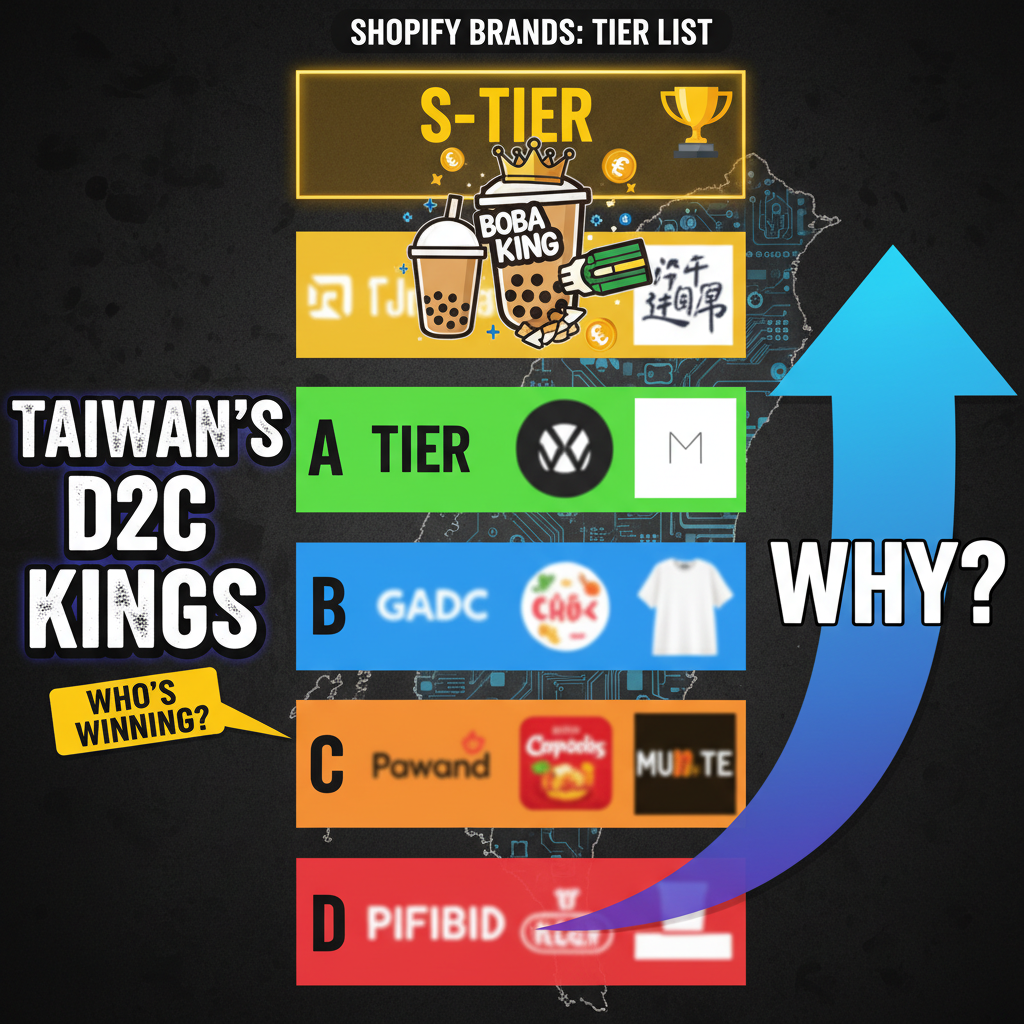
Taiwan's D2C Boom: Why It's Happening Now
Taiwan's e-commerce landscape shifted in 2023. The country's oldest family-owned brands—beauty companies, wellness manufacturers, food producers—stopped waiting for distribution partners and went direct.
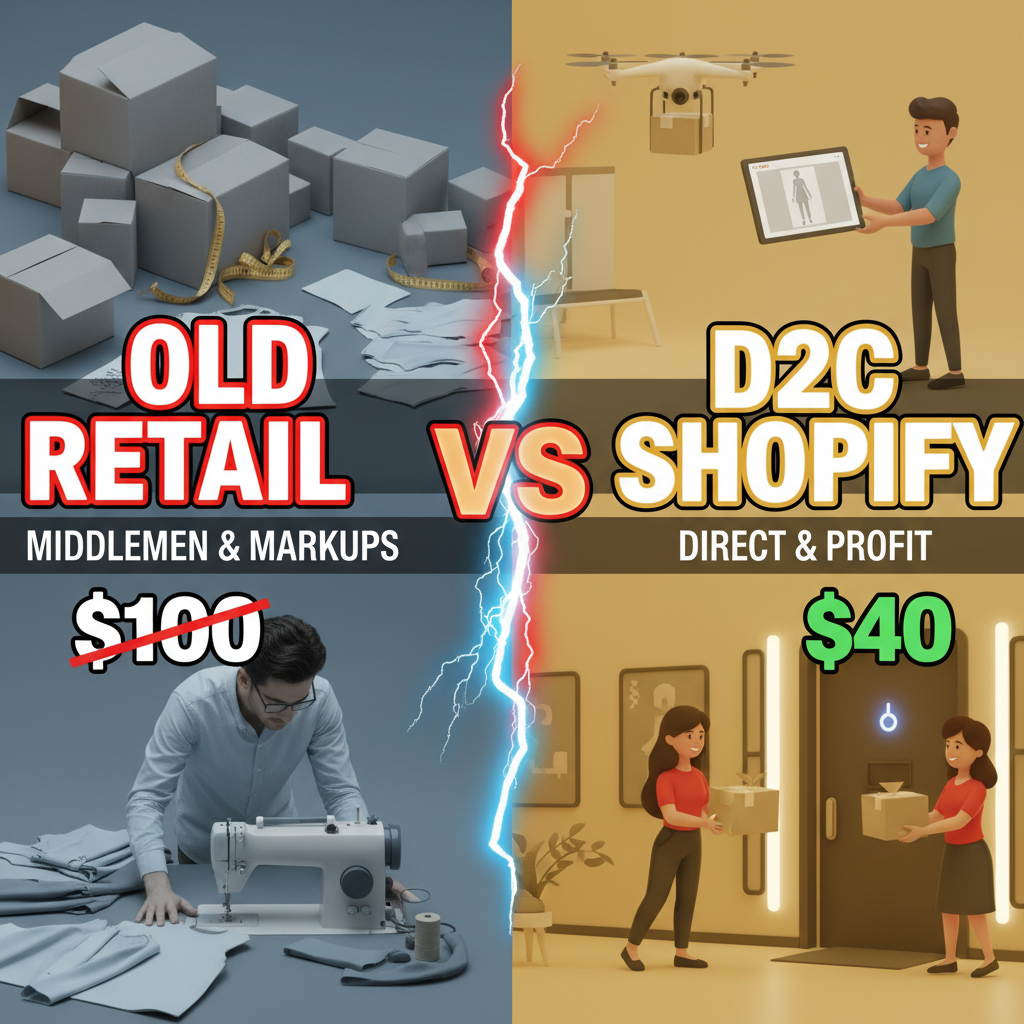
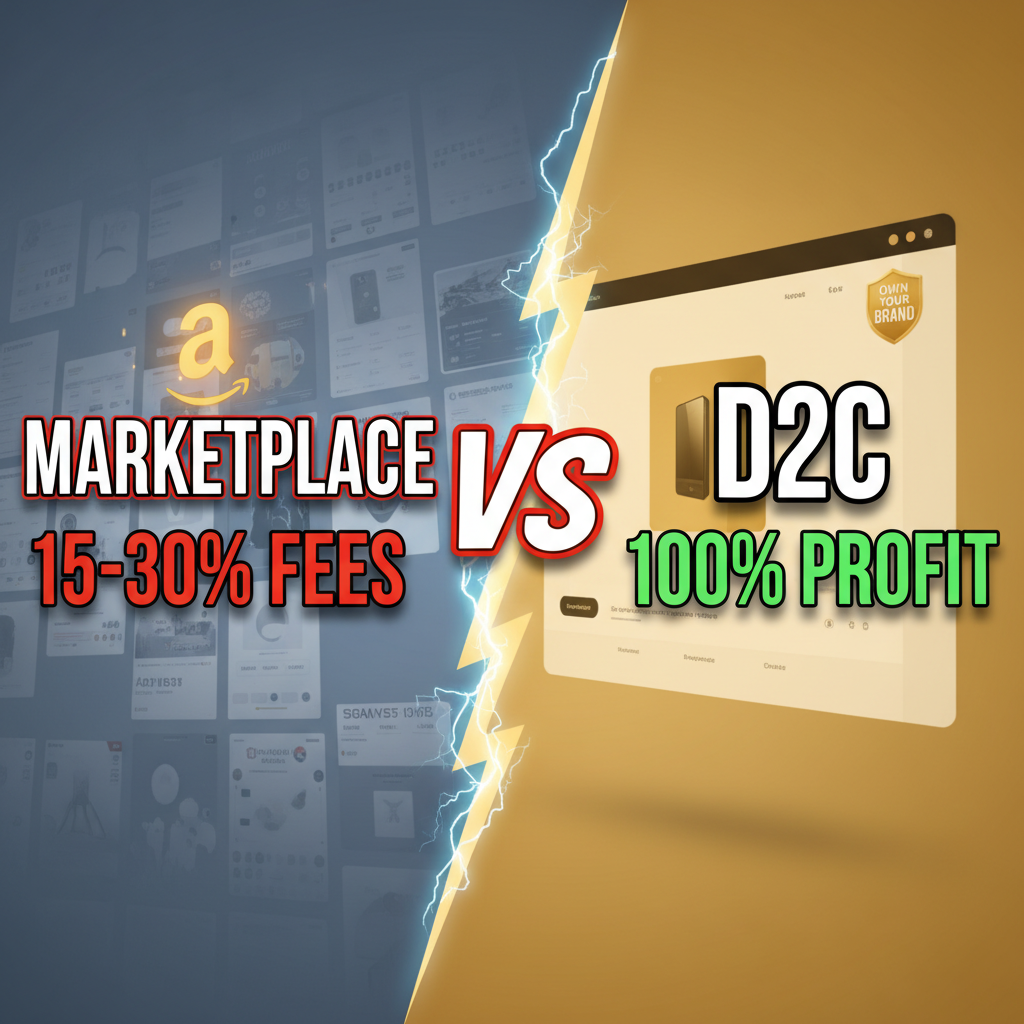
This wasn't inevitable. It took three things: (1) platforms like Shopify making global selling accessible, (2) Facebook/Instagram becoming effective customer acquisition channels in Asia, (3) founders realizing their margins were bigger selling direct than through retailers.
The result—brands doing $500K to $5M USD annually now. Some launching to cross-border Asia. Some shipping globally to diaspora communities. A few ($10M+) approaching profitability on brand-owned channels alone.
Here's what separates the winners from the rest. Most of these brands moved on Shopify 18-24 months ago. Their competitive advantage isn't technical—it's operational. They know payment flows, customer acquisition costs per market, and logistics complexity. That knowledge is hard to copy.
Case Study 1: The Beauty Ingredient Play (Jádo Beauty)
Jádo sells botanical extracts to consumers—the kind of serum ingredients that used to be private-label for Sephora. Their founder had manufacturing relationships from family business but no consumer brand.
The Shopify structure: They launched on Shopify in early 2023, kept inventory in Taichung, and shipped globally via EasyShip. Three product lines (serums, oils, masks), 35 SKUs total. Simple catalog.
Acquisition strategy: Facebook Ads targeting skincare enthusiasts in the US, Canada, and Singapore. $1,200/month initial ad spend. Conversion rate 2.1% (good for beauty cold traffic). Customer acquisition cost $28.
Pricing lever: Serum bottles retail for $32 USD. Gross margin 70%. They could afford ad spend; most of their customers were profitable by the second purchase.
The insight: They didn't compete on price. They competed on education. Blog content explaining extraction methods, scientific backing, and heritage sourcing. That content ranked for long-tail beauty keywords and became their SEO moat.
Year 1 result: $680K revenue. Profitable by month 9. Now doing $2.2M annually (estimated 2024).
| Metric | Year 1 | Year 2 (Est.) |
|---|---|---|
| Monthly Revenue | $57K | $183K |
| Customer Acquisition Cost | $28 | $22 |
| Repeat Purchase Rate | 18% | 34% |
| Gross Margin | 70% | 68% |
| CAC Payback Period | 4.2 months | 2.1 months |
The hidden advantage—they never discounted. Seasonal promotions (10-15% off, bundled sets) but never "50% off" flash sales. That preserved brand value and trained customers to buy at full price.
Case Study 2: The Wellness Export (Formosa Wellness)
Formosa sells lion's mane, cordyceps, and ginseng supplements—products with strong demand in North America due to health-conscious demographics and Asian heritage populations.
The Shopify structure: Private label (manufactured by Taiwanese suppliers), Shopify storefront, inventory in fulfillment centers in Los Angeles (West Coast) and New Jersey (East Coast). Handles 95% of US orders within 3 days.
Acquisition strategy: Different from beauty. They leaned into Reddit, TikTok, and podcast sponsorships. Targeted biohackers, wellness communities, gym enthusiasts. Influencer partnerships (5-10K follower micro-influencers, not mega-influencers).
Retention lever: Subscription model. 35% of customers signed up for monthly subscriptions at $42/month. Saves acquisition cost, smooths revenue, increases lifetime value 3x.
The insight: Supplements live or die on retention. One-time buyers cost more to acquire than they're worth. But subscription makes them diamond customers.
Year 1 result: $1.2M. Year 2: $3.8M (estimated).
| Metric | Year 1 | Year 2 (Est.) |
|---|---|---|
| Monthly Revenue | $100K | $317K |
| Subscription Penetration | 25% | 35% |
| Churn Rate (Monthly) | 8.5% | 6.2% |
| Lifetime Value | $240 | $520 |
| Organic Traffic % | 12% | 31% |
Why organic jumped—health content. They invested in long-form blog posts (2000-3000 words) on lion's mane benefits, cordyceps science, energy stacking protocols. Ranked for "lion's mane supplement," "cordyceps benefits," etc. Organic became 31% of traffic by year 2. That's the compounding play.
Case Study 3: The Food & Beverage Cross-Border Move (Royal Tea Taiwan)
Royal Tea makes high-grade oolong and tieguanyin—premium teas wholesaled historically to restaurants and specialty shops. Founder decided to sell direct to US consumers and compete on storytelling.
The Shopify structure: Small batches, long shelf life, lightweight shipping. Inventory turnover isn't the constraint; customer acquisition is. Shopify's email marketing tools and SMS became the backbone of retention.
Acquisition strategy: Instagram-first brand. Founder appears in content—processing tea, harvesting stories, tasting notes. Not a faceless brand. Community-driven. Partnered with food/lifestyle podcasts.
Pricing model: Premium positioning. A tin of first-flush tieguanyin costs $28. Per-unit cost ~$6. Margin 78%. With price like that, CAC could be high (up to $35 per customer) and still be profitable on first order.
The insight: Tea drinkers are loyal. Repeat purchase rate at 6 months is 52% (really high for food). After 1 year, 31% are still buying. They become $200+ annual customers. That math changes everything—you can spend aggressively on the first customer.
Year 1 result: $420K. Year 2 (est.): $1.1M.
| Metric | Year 1 | Year 2 (Est.) |
|---|---|---|
| Monthly Revenue | $35K | $92K |
| Repeat Purchase Rate (6mo) | 48% | 52% |
| Lifetime Value | $185 | $310 |
| Founder Time (hrs/week) | 25 | 15 |
| Email Revenue % | 28% | 41% |
The surprise—email became their second-largest channel behind Instagram. Founder sends weekly tasting notes, harvest updates, and limited drops. Open rate is 35% (way above average for e-commerce). Conversions 2.8%. Email alone generates $3K-$5K weekly now.
The Structural Playbook: What These Brands Share
Look at the three cases. Different products, different audiences, different acquisition channels. But the pattern is identical:
1. Gross margin 65%+. They price like brands, not commodity products. If margin is under 50%, you can't afford customer acquisition at scale.
2. Retention built into the model. Beauty through education, wellness through subscriptions, tea through community. One-time buyer business models don't scale.
3. Content as SEO moat. All three built blogs in English first (not Chinese). That content ranked for English keywords and captured long-tail demand. Jádo's blog drives 24% of traffic. Formosa's drives 31%.
4. Founder-facing operations. These aren't agencies. A single founder or 2-person team manages Shopify, logistics, customer service, paid ads. Lean execution beats fancy infrastructure.
5. Global-first but Taiwan-credible. They sell in USD, ship from US fulfillment centers, use English-first storytelling. But they highlight Taiwan heritage and manufacturing. That's the credibility lever—"Made in Taiwan" actually matters for supplements, tea, and botanical beauty.
6. Logistics solved early. They pay for US fulfillment (EasyShip, Flexport, 3PLs) rather than ship everything from Taiwan. Week-long delays kill repeat purchases.
Market Conditions That Enabled This Wave
Taiwan has structural advantages for D2C:
| Factor | Impact | Implication |
|---|---|---|
| Manufacturing cost + quality | Low COGS, high margins | Founder can afford $25-$35 CAC |
| Supply chain relationships | Decades of OEM/ODM | Custom formulations, private label access |
| E-commerce infrastructure | 1SHOP, Shopify Partner | Technical setup takes 2-4 weeks, not months |
| Payment processors | Green World, Newebpay | Local payment flow, global card acceptance |
| Shipping partners | EasyShip, Flexport | Taiwan-to-US cost $3-$8 per unit |
| Founder pool | Manufacturing heritage | Deep product knowledge, not just business hype |
The window is now. Five years ago, these brands were still selling through Momo, PChome (Taiwan e-commerce platforms). Shopify was for English-speaking entrepreneurs. That's flipped. English-speaking Taiwanese founders now see Shopify as the default for global reach.
The Acquisition Math That Matters
Here's why Taiwan D2C founders are winning:
US beauty/wellness brands need $40-$60 CAC to be profitable in paid channels. Their margins don't support that. Taiwan manufacturers cut COGS 40% lower because of manufacturing access and lower operational overhead. That $28 beauty serum costs $6 in COGS for a Taiwan brand (70% margin). US brands might see $10 COGS (60% margin). That $4 difference per unit means you can spend $15 more on CAC and still be profitable.
When everyone else is struggling with CAC profitability, you're cash-flowing healthy at 2x their ad spend. That's the arbitrage.
Common Mistakes Taiwan D2C Brands Make
Mistake 1: Keeping inventory in Taiwan. Shipping from Taichung to US adds 14 days and $8-$12 per unit. Your repeat rate dies. Move inventory to a 3PL in LA or NJ month 4. Cost is $0.50/unit/month but repeat purchase rate jumps 20 percentage points.
Mistake 2: Staying product-obsessed instead of customer-obsessed. You have amazing formulations. Customers don't care. They care about results, heritage stories, and community. Write content about the customer benefit, not the ingredient list.
Mistake 3: Giving up on English content. Some Taiwan brands create Chinese content first. English market is 10x bigger. Write blog, TikTok, and email in English. Chinese diaspora will find you. Don't cater to Taiwan first.
Mistake 4: Underfunding paid acquisition. You have margin for $30 CAC. Spend $25. Test hard on Facebook, TikTok, Pinterest. Most Taiwan founders underspend here and leave 40% of revenue on the table.
Mistake 5: Not building email infrastructure. Your email open rate can be 35-40% (way above US SaaS benchmarks) because your audience is niche and loyal. If you're not sending weekly emails, you're missing your strongest retention channel.
What Founders Should Do in 2026
If you're a Taiwan manufacturer considering D2C:
Months 1-2: Pick a niche (beauty, wellness, food, home). Validate demand. Survey 50 potential customers.
Months 3-4: Build Shopify store. Simple design. 10-20 SKUs max. Ship from Taiwan while testing.
Months 5-6: Launch paid ads ($500-$1000/month). Measure CAC, repeat purchase rate. If repeat rate under 15%, something's wrong with product or positioning.
Months 7-9: If repeat rate 20%+, move inventory to US fulfillment center.
Month 10+: Scale paid ads, invest in blog/email/content, hire operations person.
Most Taiwanese founders ship profitably by month 12. Some hit $100K in year 1 revenue. The winners (Jádo, Formosa, Royal Tea) stayed focused on their niche, reinvested margin into content, and built brand moat instead of competing on price.
The market reward right now is massive. These brands didn't exist 18 months ago. In 24 months, they're running $50K-$300K months. That velocity is available if you move fast and execute operationally.
Ready to Scale Taiwan-Made Products Globally?
If you're a Taiwan manufacturer ready to go D2C on Shopify, the playbook is clear. Tenten's Taiwan D2C Program covers market validation, Shopify architecture, US fulfillment setup, and first-100-customers acquisition strategy. We've worked with 15+ Taiwan brands hitting profitability in their first year.
Editorial Note
Taiwan's D2C wave is the overlooked story of Asian e-commerce. While everyone focuses on Chinese social commerce and Indian marketplaces, Taiwanese founders are quietly building profitable, English-first brands on Shopify. The compounding advantage—low COGS + high margins + founder discipline—is hard to beat. This trend accelerates through 2026.
Article FAQ
Q: Why are Taiwan brands succeeding when US DTC brands struggle?
A: Better unit economics. Taiwan manufacturers have 30-40% lower COGS due to local manufacturing, low overhead, and supplier relationships. That margin advantage lets them afford higher CAC and still be profitable on first order. US brands with higher COGS can't play the same game.
Q: Should I manufacture in Taiwan if I'm starting a brand?
A: If you're in beauty, supplements, food, tea, or wellness—yes. Taiwan has the supply chain depth. If you're in fashion, electronics, or software—probably no. Tailor your manufacturing to where the supply chain leaders are.
Q: How long does Shopify setup take for a Taiwan brand?
A: 3-4 weeks if you have products ready. Longer if you need custom domain, email setup, initial content. Not the constraint. Sales and marketing setup takes 6-8 weeks. Logistics setup (US fulfillment) takes 4-6 weeks.
Q: What's a realistic first-year revenue for a new Taiwan D2C brand?
A: $300K-$800K if you execute. That assumes: gross margin 65%+, CAC profitability on first order, and at least 20% repeat purchase rate. If you're under those benchmarks, you have a unit economics problem.
Q: Can I sell to both Taiwan and US markets simultaneously?
A: Not easily. They require different marketing, different payment processors, different logistics. Build US market first (higher margins, bigger TAM, easier customer acquisition). Taiwan comes later once you have 500+ US customers proving PMF.
Q: How much inventory should I stock initially?
A: 2-3 months of projected sales. Don't over-order. You'll learn what sells once customers start buying. Start with fast-moving SKUs only, not your full catalog.