Why Community Beats Advertising
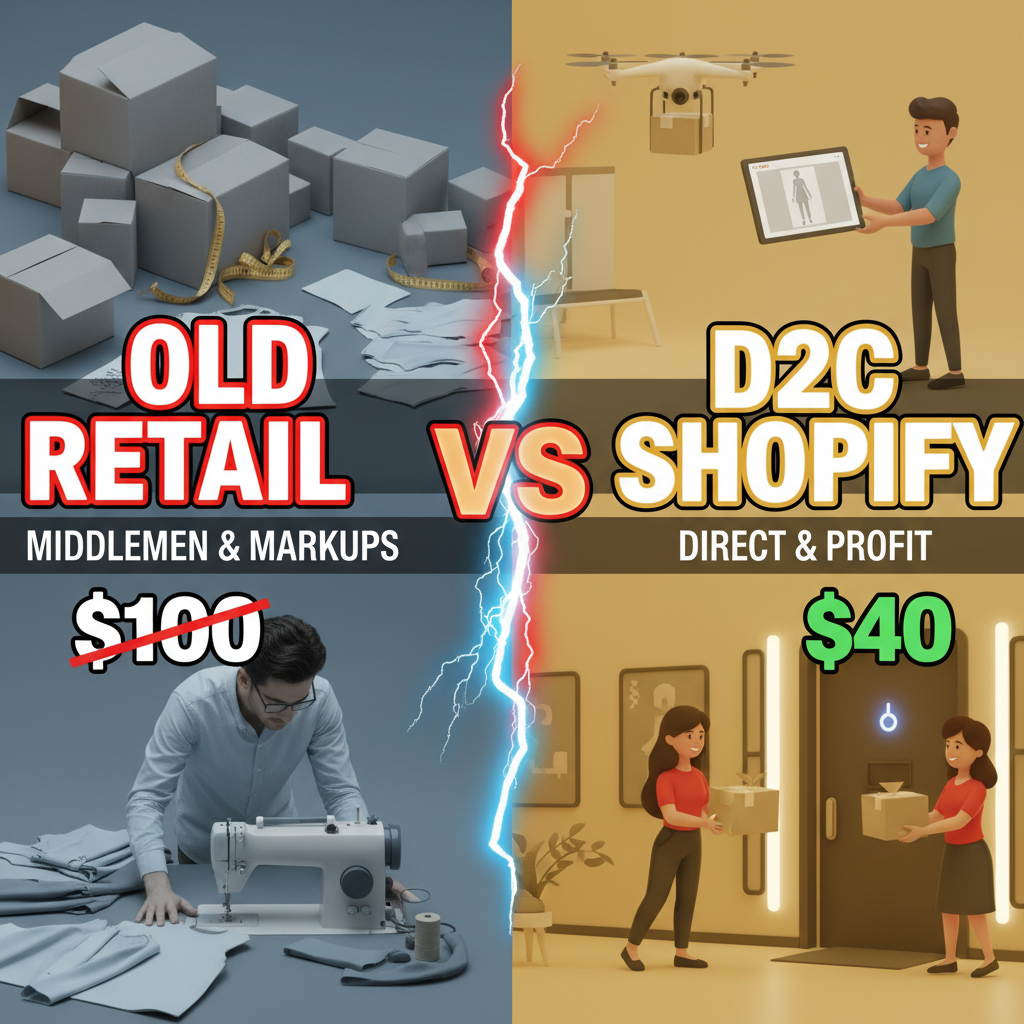
Most D2C founders think acquisition equals growth. They max credit cards on Facebook ads, watch CAC balloon to 60-80% of first-order value, then wonder why scaling feels impossible.
The math changes when you build community.
Successful D2C brands like Glossier, Allbirds, and Hims didn't win through better ads. They won because customers became unpaid salespeople. A customer who feels heard, valued, and part of something bigger doesn't just buy again—they recruit friends, post unprompted, and defend the brand in comment sections.
Here's the uncomfortable truth: acquiring a customer through community referrals costs 5-7x less than paid channels, and retention rates run 20-30% higher. But only if the community is real.
The Three Layers of D2C Community
Layer 1: Transactional Community (Weakest)
This is email lists, newsletter subscribers, loyalty programs. Customers receive value (discounts, early access) in exchange for attention. It works, but it's fragile. The moment you stop rewarding them, they're gone.
Layer 2: Engagement Community (Stronger)
Customers gather around shared interests, not just discounts. Think subreddits, Discord servers, user forums where they discuss, troubleshoot, and share ideas. You facilitate; they drive conversation. Glossier's beauty community isn't about loyalty points—it's about makeup tips, product reviews, and identity.
Layer 3: Advocacy Community (Strongest)
Members actively create content, recruit peers, and self-police quality. They feel ownership. This layer is rare because it requires founders to surrender control. You set direction and values; community members execute.
Most brands get stuck at Layer 1 and call it community. That's messaging, not community.
The Economics of Community-Driven Growth
A typical DTC acquisition funnel looks like this:
| Channel | CAC | Retention (12mo) | LTV |
|---|---|---|---|
| Paid Social | $40-60 | 35% | $120-180 |
| Organic Search | $15-25 | 55% | $200-350 |
| Community Referral | $8-15 | 65-75% | $280-450 |
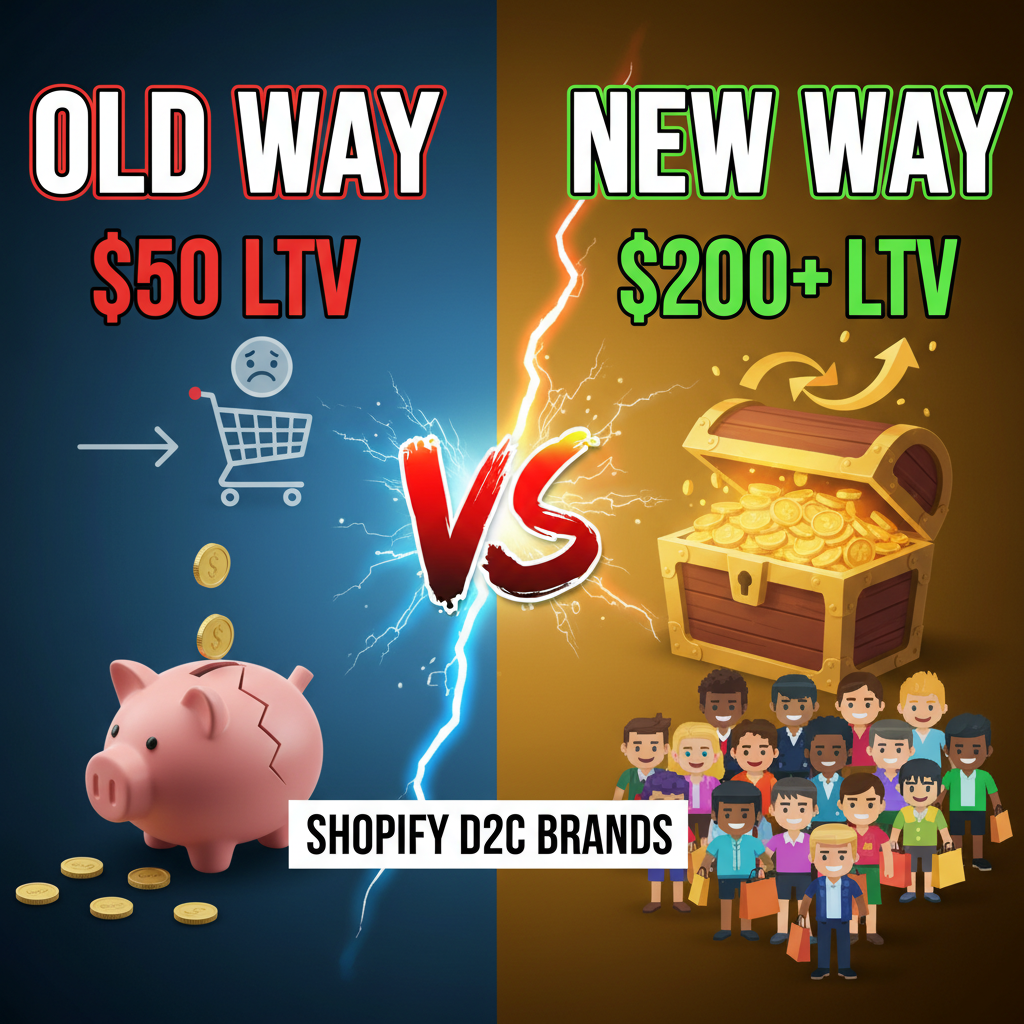
The referral CAC is 75% lower than paid social. LTV is 2-3x higher because referred customers have pre-existing trust. They show up with 40% higher AOV on first purchase.
Warby Parker built a $1.8B company on community referrals. They paid customers $20 per referral—profitable because referred LTV exceeded $400. Peloton's community was so strong that they hit $4B revenue before their first paid ad.
The unlock: community compounds. Every new advocate multiplies acquisition. Every piece of user-generated content multiplies trust signals for SEO and conversion.
How to Build Layer 2 (Engagement) Community
Most brands fail here because they assume passion for the product equals passion for a forum. It doesn't.
Step 1: Start with a Real Problem, Not Your Product
Don't launch a community for knitting enthusiasts if your brand sells yarn. Launch a community for people who want to master Fair Isle patterns, then happen to recommend your yarn.
Hims didn't build a GLP-1 community. They built a community around "getting healthier this year," then positioned medication as one tool among many (exercise, nutrition, accountability).
Step 2: Give Away Your Best Insights
Early members must feel they're getting more value than they could anywhere else. That means top-tier content.
A fitness brand's community might include:
- Detailed form breakdowns from pro coaches
- Real transformation timelines (not filtered before/afters)
- Nutrition science, not meal plans for sale
- Mistakes you made and fixed
People stick around for access to expertise, not discounts.
Step 3: Create Contribution Friction That Filters for Intent
The best communities have asymmetric barriers: easy to lurk and consume, slightly harder to participate. This self-selects for serious members.
Make new members introduce themselves. Require topic-specific templates (e.g., fitness members share current routine, goals, timeline). Ask for one honest thing they struggled with in the product.
Friction eliminates tire-kickers and spammers. Serious community members don't mind.
Step 4: Celebrate Creators, Not Consumers
Highlight the people contributing—answering questions, sharing results, critiquing ideas. Feature user-generated content prominently. Give them a title (Ambassador, Contributor, Guide).
If all you do is promote your brand, you've built a mailing list with extra steps.
Step 5: Introduce Monetization Cautiously
This is where most brands blow it up.
You can't launch a community, nurture trust for 12 months, then suddenly turn it into a sales funnel. The community will reject it.
Smart brands introduce affiliate programs or sponsored content carefully. Example: a fitness app community where top trainers can sell coaching, but only after they've been regulars for 6+ months and community votes on their credibility.
Revenue must feel like a byproduct of value creation, not the goal.
The Shopify Integration Play
Many DTC brands built on Shopify avoid community because they think it requires a separate platform. It doesn't.
Option 1: Shopify Community Apps (Easiest)
Apps like Commsor, GLG, and Circle integrate directly with Shopify. They sync customer data, send invites to repeat buyers, and show purchase history in community profiles. Community members see which peers bought what, creating social proof and conversation hooks.
Cost: $500-2,000/month. Suitable if you have 5,000+ engaged customers.
Option 2: Shopify + Discord/Slack (Flexible)
Use Discord for real-time conversation, Slack for internal teams. Integrate Shopify purchases via Zapier or custom webhooks so community managers can see customer history.
Benefit: Discord is free, feels native to Gen Z, and thrives on text, voice, and video—not just forums.
Cost: Free to $200/month depending on integrations.
Option 3: Embedded Community (Premium)
Use Mighty Networks, Zapier, or custom build to embed community directly on your Shopify store. Members don't leave your domain. Conversion friction drops.
Cost: $2,000-5,000/month for build + platform.
The Unspoken Rule: You Must Show Up
This kills most brand communities.
Founders expect community to run itself. It won't. Someone—you or a dedicated community manager—must show up weekly. Answer questions. Share behind-the-scenes. Respond to criticism.
Glossier's founder Emily Weiss was in her community forums for years, answering questions about product formulation. That's not scalable forever, but it's essential early.
Budget for a part-time community manager (10-15 hours/week) before launch. They'll be your difference between a ghost town and a thriving space.
Measuring Community Health, Not Vanity Metrics
Everyone counts members. That's useless.
Track these instead:
Engagement Rate = (weekly active members / total members) × 100. Target: 15-25%.
Content Creation Rate = (users creating posts or replies / total members) × 100. Target: 8-12% (the 1-9-90 rule suggests 90% lurk, 9% comment, 1% create; you want to push that 1% higher).
Retention Cohort = % of members active 6 months after joining. Target: 40-60%.
Referral Rate = referred customers from community members / total community members. This is gold.
Sentiment = read forum/chat sentiment weekly. Growing negativity signals problems before they kill churn.
CTA Heading
Ready to Build Your D2C Community?
Community isn't a nice-to-have for DTC. It's the moat between sustainable 10% monthly growth and venture-backed scaling. Start small—50-100 engaged members—then expand. Quality always outpaces quantity in community building.
Tenten has helped 30+ DTC brands launch community strategies that increased customer LTV by 40-60% and reduced CAC by 25-35%. If you're ready to move beyond paid acquisition, we'll help you design the right structure for your brand and budget.
Visit our D2C Strategy page or book a free consultation to discuss community strategy for your brand.
Editorial Note
The difference between a community and a mailing list isn't technical—it's psychological. Members of true communities feel ownership. They police their own space, welcome newcomers, and create culture. Founders who try to manufacture this top-down always fail. Your job is to remove barriers and get out of the way.
Frequently Asked Questions
How long does it take to build a real community?
6-12 months to reach 500 engaged members, 18-24 months to hit 2,000+. Patience separates real builders from quick-flip artists. Glossier took 18 months to build its first 1,000-member community. That's normal.
Can small brands (under $500K revenue) build community?
Yes, more easily than large brands actually. Smaller communities feel more personal. Start with 20-50 founding members recruited manually, nurture them for 3-6 months, then expand. Exclusivity builds momentum.
Should I charge membership fees to filter for serious people?
Rarely. Charge only if your community offers tangible value (certifications, exclusive products, expert access). Free community with engagement filters (mandatory introductions, threads) works better than paid paywalls for most DTC brands.
How do I handle negative feedback or critical members?
Welcome it. Seriously. Critical members care enough to voice concerns. Bad move: delete comments and ban critics. Good move: ask follow-up questions, acknowledge valid points, and fix what's broken. Communities thrive on trust, not censorship.
What if I don't have time to manage community?
Hire before launch. Full-time community manager for 2,000+ members, part-time (15 hours/week) for 500-1,500. Cost scales with member base, but ROI (higher LTV, lower CAC) justifies it in year two.